Can dogs eat butter? Yes, in very small amounts, but it’s not a recommended dietary staple due to its high fat content. While plain butter itself isn’t toxic, feeding it regularly or in large quantities can lead to significant health issues for your canine companion. This guide, written from the perspective of a former veterinary technician, explore the safety of butter for dogs, focusing on fat content, lactose, and potential digestive upset.
We’ll explore the risks associated with feeding butter to dogs, including pancreatitis and weight gain, and provide clear serving guidelines. It’s crucial to understand that while small tastes may not cause immediate harm, consistent consumption poses risks. This article is for informational purposes and is not a substitute for professional veterinary advice.
Our aim is to provide evidence-based information to help you make informed decisions about your dog’s diet, always prioritizing their well-being. We will discuss when to be concerned and what signs to watch for, ensuring you know how to manage accidental ingestions or regular feeding practices involving butter. For more on this topic, see our dairy grains pantry.
Can Dogs Eat Butter? The Quick Answer
TL;DR: Can dogs eat butter? Technically, yes, in extremely small, infrequent amounts, but it’s generally not advisable. Butter is primarily fat and offers minimal nutritional value for dogs. Regular or excessive consumption can lead to digestive upset, pancreatitis, and weight gain. If your dog ingests a small amount (less than a teaspoon for a medium-sized dog), monitor for signs of GI distress like vomiting or diarrhea. Larger amounts or if your dog has a history of pancreatitis, contact your veterinarian immediately. Always prioritize a balanced diet and consult your vet before adding human foods to your dog’s meals.
Why Knowing About Butter and Dogs Matters
As a former veterinary technician, I’ve seen firsthand how common human foods can impact canine health, and butter is a frequent culprit in dietary indiscretions. Understanding whether can dogs eat butter is more than just curiosity; it’s about preventing potentially serious health problems. A dog’s digestive system is not optimized for high-fat dairy products like butter. While a tiny lick off a dropped piece might not cause immediate alarm for most healthy dogs, it’s a slippery slope toward more significant issues.
The primary concern is the high fat content in butter. For a medium-sized dog (around 30 lbs), even a tablespoon of butter contains a substantial amount of fat, potentially exceeding their recommended daily intake in a single serving. This can trigger acute pancreatitis, a painful and sometimes life-threatening inflammation of the pancreas. According to the ASPCA Animal Poison Control Center (APCC), fatty foods are a leading cause of pancreatitis in dogs, and butter falls squarely into this category. Furthermore, consistent small amounts of butter can contribute to obesity, which exacerbates other health conditions like joint problems and diabetes. Related: our can dogs have milk.
Butter Ingestion: Wait and Watch vs. Call Your Vet
Deciding whether to monitor your dog at home or seek immediate veterinary care after they’ve eaten butter depends on the quantity consumed, your dog’s individual health status, and the presence of specific symptoms. It’s crucial to differentiate between a minor dietary indiscretion and a medical emergency.
Wait and watch:
- Very small accidental lick (e.g., a speck on the floor): For dogs without pre-existing conditions or known sensitivities, a minuscule amount is unlikely to cause harm.
- Mild, transient GI upset: If your dog shows very mild, brief vomiting (1 episode) or soft stool that resolves within a few hours and they are otherwise acting normally, close monitoring at home may suffice.
- No pre-existing health issues: Dogs with no history of pancreatitis, obesity, or sensitive stomachs are generally more resilient to small dietary errors.
- Normal energy levels and behavior: If your dog remains playful, alert, and is drinking water normally, it’s a good sign they are not experiencing a severe reaction.
- No signs of severe pain: Observe for lethargy or signs of abdominal discomfort like a hunched posture, but if absent, it leans towards a ‘wait and watch’ scenario for minor ingestions.
Call your vet now:
- Large quantity ingested: If your dog ate more than a teaspoon per 20 lbs of body weight, or a significant portion of a butter stick or tub, veterinary intervention is likely necessary.
- Vomiting >2 episodes within 8 hours, or bloody vomit: Persistent or severe vomiting indicates significant gastrointestinal distress that requires professional assessment.
- Diarrhea >24 hours, or bloody diarrhea: Prolonged or bloody diarrhea can lead to dehydration and electrolyte imbalances, necessitating vet care.
- Signs of severe abdominal pain: This includes a tense, painful abdomen, a hunched posture lasting more than an hour, whimpering, or reluctance to move. These are critical signs of pancreatitis.
- Lethargy or collapse: Extreme tiredness, unresponsiveness, or collapse are emergency signs that require immediate veterinary attention.
- Underlying health conditions: If your dog has a history of pancreatitis, obesity, heart disease, or other serious health issues, even moderate amounts of butter warrant a call to your vet.
Remember, these guidelines are general. When in doubt, always err on the side of caution and contact your veterinarian or an emergency animal hospital.
What to Do If Your Dog Eats Butter
- Assess the Quantity and Your Dog’s Size: First, try to determine how much butter your dog consumed. Was it a tiny smear, a whole pat, or a significant portion of a stick? Also, consider your dog’s weight. A lick of butter for a 70lb Labrador is very different from a lick for a 5lb Chihuahua. This initial assessment is key to deciding the next steps.
- Observe for Immediate Symptoms: Keep a close eye on your dog for the next 12-24 hours. Watch for any signs of gastrointestinal upset such as vomiting, diarrhea, decreased appetite, lethargy, or abdominal tenderness. Note the frequency and severity of any symptoms.
- Prevent Further Access to Butter: Ensure all butter and butter-containing products are stored securely out of your dog’s reach. Clean up any spills immediately. This prevents accidental re-ingestion while you monitor your dog.
- Encourage Hydration (If Tolerated): If your dog is not vomiting, encourage them to drink small amounts of fresh water. Dehydration can worsen GI symptoms. Avoid offering milk or other dairy products, which could exacerbate digestive issues.
- Contact Your Veterinarian for Guidance: Based on the quantity ingested and your dog’s symptoms, call your vet. Describe the situation accurately, including the amount of butter, your dog’s weight, and any observed symptoms. They can provide tailored advice, which may range from home monitoring to recommending an in-clinic examination.
- Follow Veterinary Instructions Precisely: If your vet advises bringing your dog in, follow their instructions regarding fasting, medication, or dietary changes. If they recommend home care, stick to it diligently. This might include a bland diet for a few days or specific probiotics.
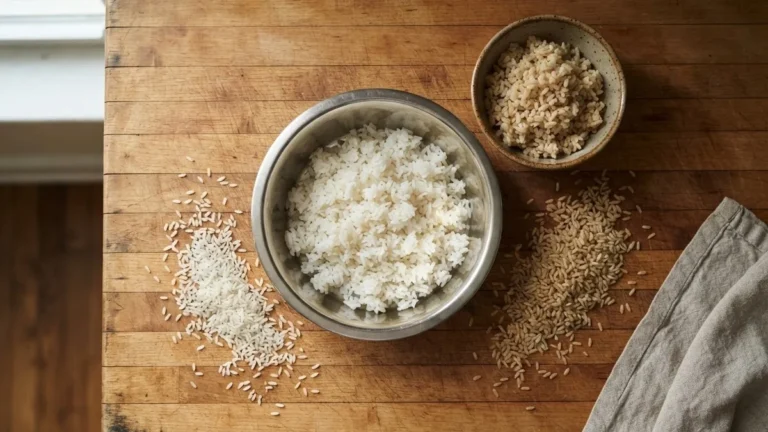
- Consider a “Bland Diet” If Recommended: If your dog experiences mild GI upset and your vet approves, a temporary bland diet of boiled chicken or plain white rice may be recommended. This is easier to digest than fatty foods. Introduce it gradually and transition back to their regular food slowly once symptoms resolve.
Common Myths About Butter and Dogs
Myth: A little bit of butter is good for a dog’s coat.
Reality: While fats are essential for skin and coat health, butter is not the ideal source for dogs. Its high saturated fat content and lack of essential fatty acids (like omega-3s and omega-6s in the correct balance) make it a poor choice. Healthier sources of fat, like fish oil or specific canine supplements recommended by a vet, are far more beneficial and safer for improving coat quality without the risks associated with butter.
Myth: All dogs can handle butter because they are carnivores and eat fatty things.
Reality: While dogs are biologically classified as carnivores, their domesticated diets and digestive systems have evolved. They are more accurately described as omnivores or facultative carnivores. They can process some fat, but not the concentrated, high levels found in butter, especially without potential negative consequences like pancreatitis. Wild canids consume whole prey, which includes fat but also fiber, protein, and other nutrients in a balanced ratio that butter lacks.
Myth: Butter is a good way to get dogs to take medication.
Reality: Using butter to administer medication is a common practice, but it carries risks. The high fat content can potentially interfere with the absorption of certain medications or cause gastrointestinal upset, especially if the medication itself is already irritating. It’s always best to ask your veterinarian for the safest and most effective method for medicating your dog, which might involve specific pill pockets, flavored liquids, or other vet-approved carriers.
Myth: Salted butter is more dangerous than unsalted butter for dogs.
Reality: While excessive salt intake is dangerous for dogs, the primary concern with butter is its fat content, not the salt. A small amount of salted butter is unlikely to cause salt toxicity unless the dog has a pre-existing condition or ingests an extremely large quantity. However, both salted and unsalted butter should be given sparingly, if at all, due to the fat. Unsalted is marginally ‘safer’ regarding sodium, but the fat remains the main risk factor.
What to Track After Butter Consumption
If your dog has ingested butter, especially a noticeable amount, diligent observation is key to identifying any issues early. Keep a log or mental note of the following:
- Time of Ingestion: When did your dog eat the butter? This helps establish a timeline for symptom onset.
- Amount Consumed: Estimate the quantity as accurately as possible (e.g., teaspoon, tablespoon, fraction of a stick).
- Vomiting Frequency and Appearance: Note if and how many times your dog vomits, and if the vomit contains bile, blood, or undigested food.
- Stool Consistency and Color: Track if your dog has diarrhea, its severity (soft, watery), and if there is any blood or mucus present.
- Appetite and Thirst: Has your dog’s interest in food and water changed? Decreased appetite or excessive thirst can be signs of trouble.
- Energy Levels: Monitor for lethargy, weakness, or unusual sleepiness compared to their normal behavior.
- Abdominal Discomfort: Observe for signs like a tense belly, reluctance to be petted on the abdomen, a hunched posture, or whining.
- Behavioral Changes: Note any unusual restlessness, anxiety, or depression.
- Any Other Unusual Signs: Be alert for any other deviations from your dog’s normal behavior or physical condition.
This information is invaluable if you need to consult your veterinarian, allowing them to make a more informed assessment of your dog’s condition.
Frequently Asked Questions About Dogs and Butter
Can puppies eat butter?
Puppies have even more sensitive digestive systems than adult dogs and are more prone to gastrointestinal upset. Feeding butter to puppies is strongly discouraged. Their nutritional needs are best met by a high-quality puppy-specific food. Any fat-rich treat should be avoided unless specifically recommended by your veterinarian for a medical reason.
What happens if a dog eats a whole stick of butter?
If a dog eats a whole stick of butter, it is considered a serious incident. The high fat content can trigger acute pancreatitis, a painful and potentially life-threatening condition. Other symptoms may include severe vomiting, diarrhea, extreme lethargy, and abdominal pain. Immediate veterinary attention is crucial in this scenario.
Is unsalted butter safer than salted butter for dogs?
Unsalted butter is marginally safer than salted butter because it eliminates the risk of salt toxicity from excessive sodium intake. However, the primary danger of butter for dogs lies in its high fat content, regardless of whether it’s salted or unsalted. Both can lead to digestive upset and pancreatitis. Therefore, neither type should be given regularly.
Can butter cause allergic reactions in dogs?
Butter is a dairy product, and while true dairy allergies are less common than other food allergies, some dogs can be sensitive or intolerant to lactose or milk proteins found in butter. Symptoms might include itching, hives, vomiting, or diarrhea. If you suspect your dog has a dairy sensitivity, consult your vet about elimination diets.
How much butter is too much for a dog?
For most dogs, any amount of butter beyond a tiny, accidental lick is considered too much. A general guideline to avoid triggering severe issues like pancreatitis is to keep fat intake very low. As a rough estimate, a veterinary professional might suggest no more than 1 teaspoon of butter per 20 pounds of body weight, given very infrequently, but even this carries risk. It’s always best to consult your vet for personalized advice.
Are there any benefits to feeding dogs butter?
From a nutritional standpoint, butter offers very little benefit to dogs. It is calorie-dense and primarily composed of fat, with minimal protein, vitamins, or minerals essential for canine health. While some owners might use small amounts for palatability or to help administer medication, these uses should be approached with extreme caution and veterinary guidance, as the risks often outweigh any perceived benefits.
Final Thoughts on Butter for Your Dog
While the question can dogs eat butter has a nuanced answer, the safest approach is to avoid feeding it to your dog. The high fat content poses significant risks, including pancreatitis and weight gain, with minimal nutritional benefit. If your dog accidentally consumes a small amount, close monitoring is usually sufficient. However, for larger quantities or if your dog exhibits concerning symptoms, prompt veterinary consultation is essential. Always prioritize a balanced, species-appropriate diet and consult your veterinarian before introducing any new foods, especially human foods like butter, into your dog’s regimen.
- Dog consumed more than a tiny lick of butter.
- Vomiting occurs more than once in 8 hours, or is bloody.
- Diarrhea persists for over 24 hours or contains blood.
- Dog shows signs of severe abdominal pain (tense abdomen, hunched posture).
- Dog is unusually lethargic, weak, or unresponsive.