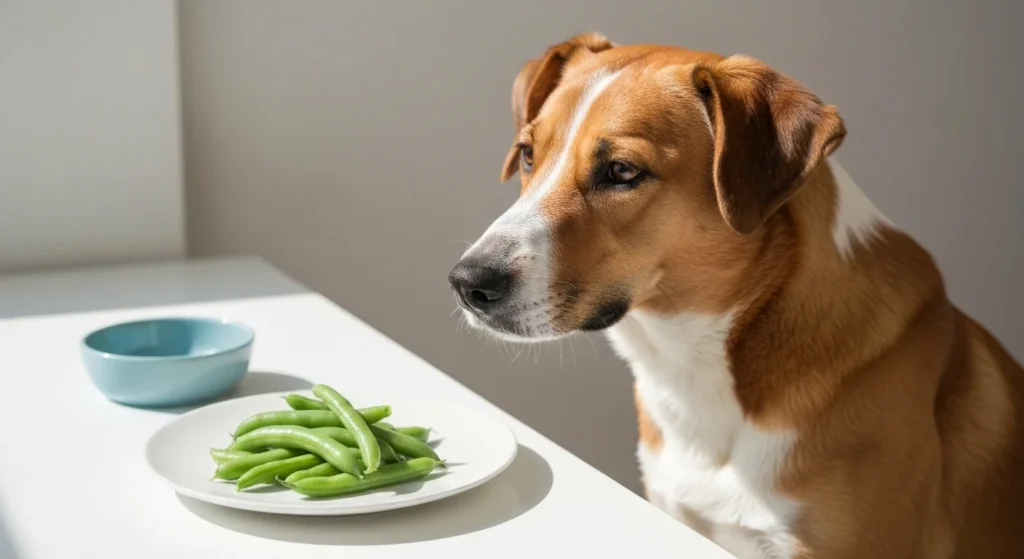
The question of whether can dogs eat green beans is common among owners seeking to add safe, nutritious options to their pet’s diet. As a former veterinary technician focused on canine nutrition, I’ve researched the safety and benefits extensively. This guide covers safe preparation, portion sizes, and potential risks, drawing from veterinary resources. It does not provide a diagnosis or replace professional veterinary advice.
Understanding the specifics of feeding vegetables like green beans helps owners make informed choices. We’ll explore the nutritional aspects and address common concerns, always prioritizing your dog’s well-being and safety based on established veterinary guidelines.
This article explore the specifics of green beans for dogs, including how to serve them, what to avoid, and the nutritional science behind their inclusion in a canine diet. Our focus remains on evidence-based information to empower you as a pet guardian. For more on this topic, see our fruits vegetables.
Can Dogs Eat Green Beans? The Quick Answer
Short answer: Yes, dogs can eat green beans, and they are generally considered a safe and healthy treat or food topper when prepared properly. Plain, cooked, or raw green beans are suitable, but avoid seasonings, oils, and sauces. The key is moderation; a general guideline is to offer them as a treat, not exceeding 10% of your dog’s daily caloric intake. For instance, a small dog might have a few beans daily, while a larger dog could have up to a cup. Always introduce new foods gradually to monitor for any digestive upset.
Why Understanding Green Bean Safety for Dogs Matters
As a dog owner, you’re constantly evaluating what goes into your dog’s bowl, and rightfully so. The question, ‘Can dogs eat green beans?’ arises from a desire to provide variety and potentially enhance nutrition beyond their regular kibble. Green beans offer a low-calorie, high-fiber option that can be beneficial for weight management and digestive health in dogs, according to sources like the American Kennel Club (AKC). However, like any food, proper preparation and portion control are critical to avoid potential issues such as gastrointestinal upset or choking hazards.
Understanding the nuances of feeding human foods to dogs is critical, especially when considering vegetables that might be prepared differently for canine consumption. This knowledge empowers you to make safe choices, preventing accidental ingestion of harmful additives or overfeeding that could lead to health problems. By focusing on plain, safe preparations, you can confidently incorporate green beans into your dog’s diet, contributing to their overall health and enjoyment of mealtime, while minimizing risks. This mindful approach aligns with the principles of responsible pet ownership and evidence-based canine care. Related: our sweet potato.
Green Beans: When to Wait and Watch vs. Call Your Vet
While green beans are generally safe, certain circumstances or reactions warrant attention. Understanding when to simply monitor your dog and when immediate veterinary intervention is necessary is crucial for their safety. This applies to direct ingestion and to how your dog’s body reacts to new foods.
Wait and watch:
- Mild, temporary gas: A slight increase in flatulence is common when introducing fiber-rich foods like green beans. Monitor for comfort levels.
- Minor stool changes: Slightly looser stools or a change in color that resolves within 24 hours typically indicates your dog is adjusting to the new fiber content.
- Increased thirst: A slight increase in water consumption might occur due to higher fiber intake. Ensure fresh water is always available.
- Pickiness with a new food: If your dog shows disinterest in green beans, it’s not a cause for alarm. Simply do not offer them again or try a different preparation method.
Call your vet now:
- Severe vomiting or diarrhea: More than 3 episodes of vomiting or diarrhea within an 8-hour period, especially if containing blood, requires immediate veterinary attention.
- Choking or difficulty breathing: If your dog ingested whole or large pieces of green beans and is showing signs of respiratory distress, such as coughing, gagging, or wheezing, seek emergency care immediately.
- Lethargy or significant weakness: If your dog becomes unusually tired, unresponsive, or shows a marked decrease in activity after eating green beans, it could signal a more serious issue.
- Signs of intestinal blockage: Persistent vomiting, abdominal pain, bloating, or inability to pass stool can indicate a blockage, which is a medical emergency.
- Allergic reaction: While rare, watch for symptoms like hives, facial swelling, itching, or difficulty breathing, which necessitate urgent veterinary assessment.
The primary concerns with green beans are related to digestive upset and choking. By observing these clear indicators, you can differentiate between a minor adjustment period and a situation requiring professional veterinary care, ensuring your dog receives timely and appropriate treatment.
How to Safely Prepare and Serve Green Beans
- Choose fresh, plain green beans: Select crisp, bright green beans without any blemishes. Opt for organic if possible to minimize pesticide exposure, although conventional beans are generally safe when washed. Ensure they are raw and unseasoned.
- Wash thoroughly: Rinse the green beans under cool running water to remove any dirt, pesticides, or contaminants. Pat them dry with a clean towel.
- Trim the ends: Remove the stem and tip ends of each green bean. These can be tough and pose a choking hazard, especially for smaller dogs.
- Prepare appropriately: For raw feeding, chop the trimmed beans into small, bite-sized pieces to prevent choking. For cooked options, steam or boil them until tender-crisp. Avoid adding any salt, butter, oils, or spices. The goal is plain preparation.
- Introduce gradually: Start with a small portion, such as a tablespoon for a small dog or a quarter cup for a large dog, to gauge your dog’s tolerance. Observe for any signs of digestive upset over the next 24 hours.
- Serve in moderation: Green beans should be offered as a treat or a supplement to your dog’s balanced diet, not as a primary food source. They should not exceed 10% of the dog’s total daily caloric intake.
- Monitor your dog’s reaction: After feeding, watch for any adverse reactions like vomiting, diarrhea, or excessive gas. If any issues arise, discontinue feeding green beans and consult your veterinarian.
Debunking Green Bean Myths for Dogs
Myth: All forms of green beans are safe for dogs.
Reality: While plain green beans are generally safe, canned green beans often contain high levels of sodium, which can be harmful to dogs and lead to health issues like sodium ion poisoning. Additionally, green beans prepared with seasonings, oils, garlic, or onions are dangerous. Garlic and onions, in particular, are toxic to dogs. Always opt for plain, fresh or frozen green beans, prepared without additives.
Myth: Green beans can cure obesity in dogs.
Reality: Green beans are a low-calorie, high-fiber food that can *aid* in weight management by helping dogs feel full with fewer calories. However, they are not a cure for obesity on their own. Sustainable weight loss requires a complete approach including a balanced, calorie-controlled diet, regular exercise, and veterinary guidance. Relying solely on green beans without addressing overall diet and activity is ineffective and potentially detrimental.
Myth: Dogs will naturally know how much green bean to eat.
Reality: Dogs do not possess an innate understanding of appropriate portion sizes for human foods like green beans. Owners must exercise control and offer them in moderation. Overfeeding, even healthy foods, can lead to digestive upset, weight gain, or nutritional imbalances. Adhering to the 10% treat rule is a reliable way to manage portions.
Myth: Frozen green beans are less nutritious than fresh.
Reality: Frozen green beans, provided they are plain (without added sauces or seasonings), retain most of their nutritional value. Freezing is a method of preservation that locks in vitamins and minerals. In many cases, frozen green beans may even be more nutrient-dense than fresh beans that have been stored for extended periods. Ensure they are thawed or served as is (chopped small if raw) without cooking additives.
What to Track After Feeding Green Beans
When introducing green beans or any new food, meticulous observation is key to ensuring your dog’s well-being. Keeping a log of specific details helps you identify any adverse reactions and provides valuable information should you need to consult your veterinarian. Focus on the following observable metrics:
- Digestive Upset Frequency: Note the number of vomiting or diarrhea episodes within a 24-hour period.
- Stool Consistency: Record changes from normal formed stools to soft, watery, or bloody stools.
- Gas Production: Observe for a noticeable increase in flatulence and note if it causes discomfort.
- Appetite Levels: Track if your dog’s appetite for their regular food changes after introducing green beans.
- Energy Levels: Monitor for any unusual lethargy, weakness, or hyperactivity.
- Behavioral Changes: Note any signs of abdominal pain, restlessness, or distress.
- Hydration Status: Observe changes in water intake and check for signs of dehydration like dry gums or reduced skin elasticity (the skin-tent test).
- Time to Reaction: Document how soon after consumption any symptoms appear, helping to correlate cause and effect.
This detailed tracking assists in distinguishing between normal digestive adjustment and potential health concerns, empowering you to provide accurate information to your vet.
Frequently Asked Questions About Green Beans for Dogs
Can dogs eat raw green beans?
Yes, dogs can eat raw green beans, provided they are washed thoroughly and chopped into small, manageable pieces to prevent choking. Raw green beans offer a crunchy texture and are a good source of fiber and vitamins. However, some dogs may find them harder to digest, so monitor for any gastrointestinal upset.
Are canned green beans safe for dogs?
Canned green beans are generally not recommended for dogs due to their high sodium content. Excessive sodium can lead to dehydration, increased thirst, and in severe cases, sodium ion poisoning. If you must use canned beans, choose low-sodium or no-salt-added varieties and rinse them thoroughly, but fresh or frozen options are always preferable.
How many green beans can I give my dog?
Green beans should be treated as a healthy treat or food topper, not a meal replacement. A general guideline is that treats, including green beans, should not constitute more than 10% of your dog’s daily caloric intake. For a medium-sized dog, this might be around 1/4 to 1/2 cup of chopped green beans per day, but always adjust based on your dog’s size, activity level, and overall diet.
Can green beans help my dog lose weight?
Green beans are a low-calorie, high-fiber vegetable that can be a beneficial addition to a weight management plan for dogs. The fiber helps dogs feel fuller, potentially reducing overall food intake. However, they are not a standalone solution. A successful weight loss program requires a veterinarian-approved balanced diet plan and regular exercise.
What if my dog eats too many green beans?
If your dog eats too many green beans, they may experience digestive upset such as gas, bloating, diarrhea, or vomiting. Monitor them closely for these symptoms. If the symptoms are mild and resolve within 24 hours, continue offering smaller portions in the future. If symptoms are severe or persistent, contact your veterinarian immediately.
Can puppies eat green beans?
Puppies can eat green beans in moderation, similar to adult dogs. Ensure they are prepared plain and chopped into very small pieces suitable for their size to avoid choking hazards. Introduce them slowly to assess digestive tolerance. Remember that puppies have specific nutritional needs for growth, and green beans should only supplement their primary puppy food.
Are there any specific breeds that shouldn’t eat green beans?
There are no specific breeds that are universally contraindicated from eating green beans. However, individual sensitivities can occur in any dog, regardless of breed. Dogs with pre-existing digestive issues or those on very specific veterinary diets should have any dietary additions, including green beans, cleared by their veterinarian first.
Final Thoughts on Green Beans for Your Dog
Incorporating green beans into your dog’s diet can offer nutritional benefits and add variety, provided it’s done safely and in moderation. Always prioritize plain preparation, appropriate portion sizes, and careful observation of your dog’s reaction. Remember that green beans are a supplement to, not a replacement for, a balanced diet recommended by veterinary professionals. When in doubt about your dog’s diet or any concerning symptoms, consulting your veterinarian is always the best course of action for their health and safety.
- Vomiting or diarrhea >3 episodes in 8 hours
- Visible blood in vomit or stool
- Signs of choking or difficulty breathing
- Lethargy or extreme weakness
- Abdominal pain or bloating
Knowing the facts about can dogs eat green beans helps you make a safe, well-informed decision.