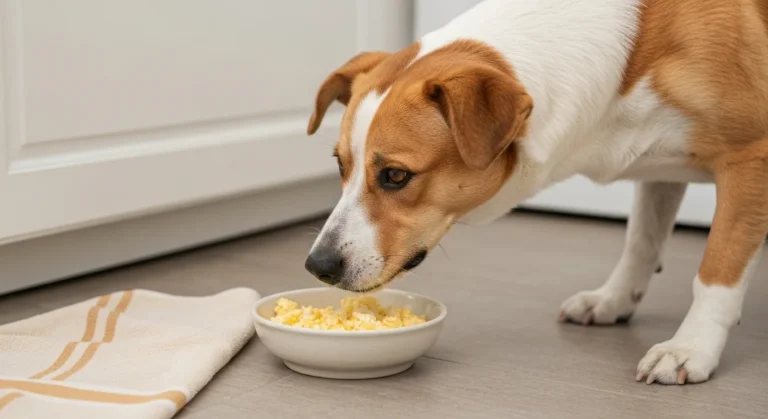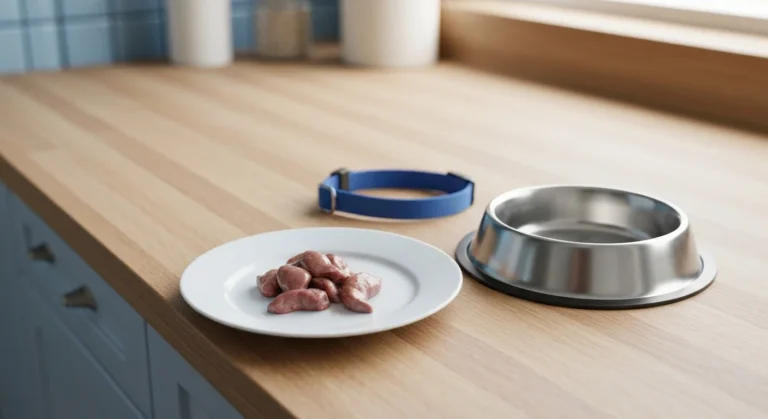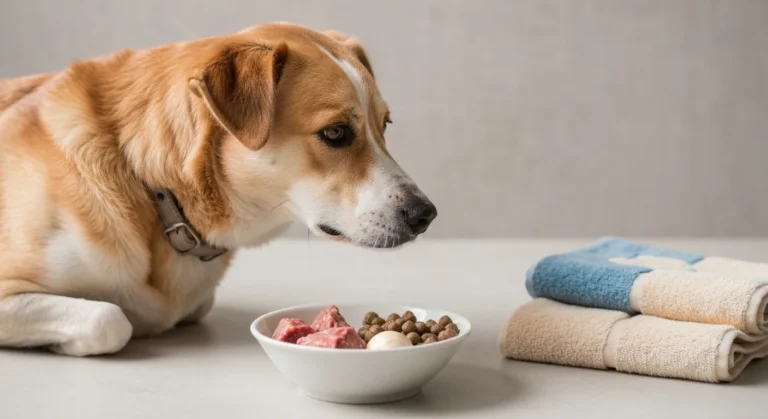
Can dogs eat turkey safely? Yes, in most cases, plain cooked turkey is safe for dogs in moderation. However, owners must be aware of preparation methods and potential risks associated with certain parts or seasonings. This guide provides evidence-based information on feeding turkey to your dog, covering safe cooking practices, appropriate portion sizes, and when to seek veterinary advice.
As a former veterinary technician turned dog nutrition researcher, I focus on safety and evidence. This article is for informational purposes and does not replace professional veterinary diagnosis or treatment.
We’ll explore the benefits, potential dangers, and best practices for incorporating turkey into your dog’s diet, helping you make informed decisions for your canine companion. For more on this topic, see our meat protein safety.
Quick Answer: Can Dogs Eat Turkey?
TL;DR: Yes, dogs can generally eat plain, cooked turkey in moderation. The key is proper preparation: ensure it’s fully cooked without seasonings, onions, garlic, or excessive salt. Avoid raw turkey due to potential bacterial contamination like Salmonella. While turkey is a good source of protein, large amounts, especially fatty parts or those with bones, can lead to digestive upset or pancreatitis. Always introduce new foods gradually and monitor your dog for any adverse reactions. Understanding can dogs eat turkey safely is crucial for their health.
Why Understanding Turkey for Dogs Matters
As dog owners, we want to share the best with our companions, and that often includes holiday table scraps or simply adding variety to their meals. Turkey is a popular protein source, but its safety for canine consumption isn’t always straightforward. Uncooked turkey can harbor harmful bacteria like Salmonella, posing a risk of foodborne illness to both dogs and humans. According to the University of Illinois Urbana-Champaign, concerns also exist around antimicrobial resistance in poultry, making safe handling and cooking critical. Overfeeding fatty turkey parts can trigger serious health issues like pancreatitis, a painful inflammation of the pancreas. Understanding these risks and providing turkey safely ensures you’re enhancing, not endangering, your dog’s well-being.
The American Veterinary Medical Association (AVMA) emphasizes that while many human foods are safe for dogs, careful consideration of preparation and portion size is crucial. Introducing turkey correctly can provide valuable nutrients, but mistakes can lead to vet visits and significant discomfort for your pet. This guide aims to equip you with the knowledge to make safe choices. Related: our toxic cleaning agents.
Turkey: When to Wait and Watch vs. Call the Vet
When your dog consumes turkey, their reaction can range from mild digestive upset to more serious issues. It’s vital to differentiate between minor incidents and emergencies. The following guidelines are based on general veterinary advice and observed symptoms, but always err on the side of caution if you are concerned.
Wait and watch:
- Mild, transient diarrhea: A single loose stool that resolves within a few hours without blood or vomiting.
- Slight decrease in appetite: Your dog eats a little less than usual for one meal but is otherwise normal.
- Occasional gas: Increased flatulence that isn’t accompanied by discomfort or pain.
- Minor lethargy: A brief period of seeming less energetic, but quickly returning to normal behavior.
- Slightly softer stool: Stool that is less firm than usual but still formed and passed without straining.
Call your vet now:
- Vomiting that persists for more than 12 hours or contains blood.
- Diarrhea with visible blood or lasting longer than 24 hours.
- Signs of severe abdominal pain: Restlessness, hunched posture, whining, or reluctance to be touched.
- Signs of pancreatitis: Repeated vomiting, severe abdominal pain, lethargy, loss of appetite, fever. Fatty foods are a common trigger.
- Ingestion of cooked bones: Cooked turkey bones can splinter, causing internal lacerations or obstructions. Symptoms include straining to defecate, vomiting, or abdominal pain.
- Suspected botulism: Rare, but symptoms include progressive muscle weakness, difficulty breathing, and paralysis. This is a critical emergency.
- Large quantity of spoiled or seasoned turkey: Especially if it contains toxic ingredients like onions or garlic.
Step-by-Step: Safely Feeding Turkey to Your Dog
- Choose Plain, Cooked Turkey: Select lean cuts of turkey breast or thigh meat. Ensure it is thoroughly cooked to an internal temperature of 165°F (74°C) to kill bacteria. Never feed raw turkey due to the risk of Salmonella and Campylobacter contamination, as advised by food safety guidelines.
- Remove All Fat, Skin, and Bones: Trim away visible fat and discard the skin. Cooked turkey bones can splinter and cause choking, internal blockages, or perforations. Plain meat is the safest option.
- Avoid Seasonings and Additives: Do not add salt, pepper, herbs, spices, or any other seasonings. Onions, garlic, chives, and leek powders are toxic to dogs and can cause damage to their red blood cells. Avoid gravy and sauces, which are often high in fat, salt, and potentially toxic ingredients.
- Portion Control is Key: Turkey should be an occasional treat or supplement, not a dietary staple. For most dogs, turkey should not exceed 10% of their daily caloric intake. A general guideline for a treat is a small piece, no larger than your thumb for a medium-sized dog, offered only a few times a week. Consult your vet for personalized recommendations based on your dog’s size, activity level, and health status.
- Introduce Gradually: If your dog has never had turkey before, offer a very small amount (a tiny bite) and monitor for any digestive upset like diarrhea or vomiting over the next 24-48 hours. If no adverse reactions occur, you can slowly increase the portion size over subsequent feedings.
- Monitor for Reactions: After feeding turkey, observe your dog for any signs of gastrointestinal distress, allergic reactions (itching, swelling), or other unusual behaviors. If you notice any concerning symptoms, discontinue feeding turkey and consult your veterinarian.
Common Misconceptions About Dogs and Turkey
Myth: Dogs can eat any part of the turkey, including bones and skin.
Reality: Cooked turkey bones are a significant hazard; they splinter easily and can cause choking, internal blockages, or perforations. The skin and excess fat are high in calories and can contribute to digestive upset, pancreatitis, or weight gain. Stick to plain, lean, cooked turkey meat.
Myth: Raw turkey is healthier for dogs than cooked turkey.
Reality: Feeding raw meat, including turkey, carries a risk of bacterial contamination such as Salmonella and E. coli, which can cause severe illness in dogs and transmit to humans. Thorough cooking kills these pathogens. While some advocate for raw diets, the associated risks are significant and should be discussed thoroughly with a veterinarian, referencing organizations like the American Veterinary Medical Association (AVMA).
Myth: Turkey is a common allergen for dogs.
Reality: While any protein can potentially cause an allergic reaction, turkey is not typically considered one of the most common canine allergens compared to proteins like beef, chicken, or dairy. However, individual sensitivities can occur, and it’s important to monitor your dog for signs of allergy if introducing turkey.
Myth: Turkey is a complete and balanced meal for dogs.
Reality: Turkey alone, even if cooked and plain, does not provide all the essential nutrients a dog needs for long-term health. Commercial dog foods are formulated to be nutritionally complete and balanced according to standards set by organizations like AAFCO. Turkey should be fed as a treat or supplement in moderation.
What to Track When Feeding Turkey
To ensure turkey is a safe addition to your dog’s diet and to provide valuable information to your veterinarian, track the following:
- Portion Size: Note the exact amount of turkey given (e.g., 1 oz, 2 tablespoons) and compare it to your dog’s daily caloric needs.
- Frequency: Record how often turkey is offered (e.g., daily, weekly, occasionally). Aim for moderation.
- Preparation Method: Document how the turkey was cooked (baked, boiled, roasted) and whether any seasonings, fats, or bones were involved.
- Digestive Upset: Monitor for changes in stool consistency (loose, watery, bloody), frequency of bowel movements, or vomiting. Note the timing and duration.
- Appetite and Energy Levels: Observe if your dog’s appetite changes or if they seem unusually lethargic or restless after eating turkey.
- Skin and Coat Condition: While less immediate, track any changes in skin health (itching, redness) or coat quality, which can sometimes be related to dietary changes or sensitivities.
- Behavioral Changes: Note any unusual behaviors, such as increased thirst, straining to urinate, or signs of abdominal discomfort.
Frequently Asked Questions About Dogs and Turkey
Can dogs eat turkey deli meat?
Turkey deli meat is generally not recommended for dogs. It is typically high in sodium, preservatives, and sometimes contains seasonings like onion or garlic powder, which are toxic to dogs. The processing involved can also make it harder to digest and potentially lead to health issues.
Is turkey gravy safe for dogs?
Turkey gravy is usually not safe for dogs due to its high fat content, salt, and often the inclusion of onion or garlic powder, both of which are toxic. If you want to give your dog a ‘gravy’ experience, consider making a plain, low-sodium broth specifically for pets, ensuring no toxic ingredients are used.
Can puppies eat turkey?
Plain, cooked turkey meat can be given to puppies in very small, appropriate portions as an occasional treat, once they have been weaned and are eating solid food. Ensure it is finely diced and free from any seasonings or bones. As with adult dogs, moderation is key, and it should not replace their balanced puppy food.
What about turkey bones? Are they ever safe?
Cooked turkey bones are dangerous for dogs because they can easily splinter into sharp fragments, causing choking, internal blockages, or tears in the digestive tract. Raw bones can also pose risks, though they are less likely to splinter. It is safest to avoid giving your dog any turkey bones, cooked or raw.
Can dogs eat turkey necks?
Turkey necks, especially raw ones, are sometimes given to dogs as a chew item. However, they still pose a choking hazard and a risk of dental fractures or gastrointestinal obstruction if swallowed whole or in large pieces. If considering turkey necks, it’s crucial to supervise your dog closely and ensure they are appropriate for your dog’s chewing style and size. Plain cooked meat is always the safest option.
What are the signs of turkey poisoning in dogs?
There isn’t a specific ‘turkey poisoning.’ However, dogs can suffer adverse effects from certain parts or preparations of turkey. Signs can include vomiting, diarrhea, or abdominal pain from fatty content or bones. Ingestion of toxic seasonings like onion or garlic powder can lead to symptoms of anemia (pale gums, lethargy, rapid breathing) due to red blood cell damage, as detailed by resources like the ASPCA Animal Poison Control.
Conclusion: A Safe Treat for Your Dog
Plain, cooked turkey can be a nutritious and enjoyable addition to your dog’s diet when prepared correctly and offered in moderation. Always prioritize safety by avoiding seasonings, bones, and excessive fat. Understanding the potential risks and knowing when to seek professional help is crucial for responsible pet ownership. When in doubt, always consult your veterinarian to ensure turkey is a safe choice for your individual canine companion. This covers the main points on can dogs eat turkey.
- Vomiting or diarrhea lasting over 12-24 hours
- Visible blood in vomit or stool
- Signs of severe abdominal pain (whining, hunched posture)
- Lethargy or extreme weakness
- Difficulty breathing or suspected bone obstruction