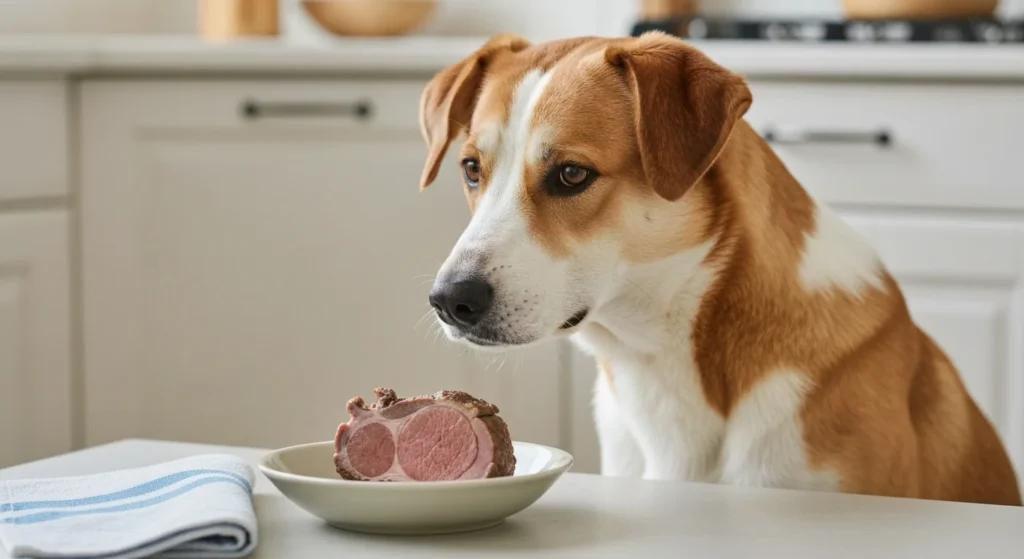
Understanding the nuances of feeding any new food, including lamb for dogs, is vital for their health. Can dogs eat lamb? Yes, lamb can be a safe and nutritious addition to your dog’s diet when prepared correctly and offered in appropriate portions. This guide covers everything dog owners need to know about feeding lamb, from safe cooking methods to understanding potential risks and appropriate serving sizes. We focus on evidence-based information to help you make informed decisions about your dog’s nutrition, distinguishing between safe practices and when to seek professional veterinary advice. While lamb offers valuable protein and nutrients, it’s crucial to approach its inclusion in your dog’s diet with care. this guide covers detail safe preparation, recommended feeding guidelines, and potential concerns like allergies or digestive upset. It is not intended to diagnose conditions or replace veterinary recommendations, but to provide clear, actionable safety information. We’ll explore how to introduce lamb safely, what to avoid, and how to monitor your dog for any adverse reactions. Our goal is to empower you with knowledge from trusted veterinary resources.
Quick Answer: Can Dogs Eat Lamb Safely?
Quick version: Yes, dogs can eat lamb safely when it’s properly cooked and served in moderation. Plain, cooked lamb without seasonings or bones is generally safe for most dogs. It’s a good source of protein, iron, and vitamin B12. However, raw lamb carries a risk of bacterial contamination like Salmonella and E. coli, and cooked bones can splinter. Introduce lamb slowly to monitor for any digestive upset or allergic reactions. If your dog has specific health conditions or sensitivities, consult your veterinarian before adding lamb to their diet. Portion control is key to prevent weight gain or digestive issues.
Why Does Lamb for Dogs Matter for Safety?
Understanding the safety implications of feeding lamb for dogs is critical for your canine’s well-being. As a protein source, lamb offers essential amino acids that support muscle development, energy levels, and overall bodily functions. However, like any food, it carries potential risks if not handled or prepared correctly. Raw lamb, for instance, can harbor pathogenic bacteria such as *Salmonella* and *E. coli*, posing a risk to your dog and to household members through cross-contamination. The American Veterinary Medical Association (AVMA) emphasizes the importance of safe food handling practices for all raw meats fed to pets to mitigate these risks. For more on this topic, see our meat protein safety.
Furthermore, the way lamb is cooked and seasoned can introduce hazards. Overly fatty cuts can lead to pancreatitis, a painful and potentially serious inflammation of the pancreas. Bones, whether raw or cooked, present a significant choking hazard and can cause internal obstructions or perforations. Even plain cooked lamb, if given in excessive amounts, can disrupt a dog’s balanced diet, leading to nutritional deficiencies or excesses. This is why a clear understanding of safe preparation and portioning is critical. Consulting resources like the ASPCA Animal Poison Control Center (APCC) can provide further insights into ingredients to avoid when preparing any food for dogs, reinforcing the need for vigilance. Knowing these details helps prevent common feeding mistakes that could lead to vet visits.
Lamb for Dogs: When to Watch vs. Call the Vet
When considering lamb for dogs, understanding the difference between mild, transient digestive issues and serious medical emergencies is crucial. Most adverse reactions to properly prepared lamb are mild and resolve on their own. However, certain signs warrant immediate veterinary attention.
Wait and watch: Related: our can dogs eat turkey.
- Mild, infrequent vomiting (1-2 episodes within 12 hours) without lethargy or other concerning symptoms.
- Slightly softer stools or a single instance of diarrhea, especially after introducing lamb for the first time.
- Temporary loss of appetite for a few hours, provided your dog is otherwise acting normally.
- Minor gas or bloating that resolves within a few hours.
- Increased thirst following a meal, if it returns to normal levels within a few hours.
Call your vet now:
- Persistent or severe vomiting (more than 3 episodes in 24 hours, or vomiting blood).
- Severe diarrhea (watery stools, blood in stool, lasting more than 24 hours).
- Signs of pancreatitis: repeated vomiting, abdominal pain (hunched posture, reluctance to move), lethargy, fever.
- Suspected intestinal blockage from ingested bones or large pieces of lamb, indicated by severe vomiting, abdominal distension, and inability to pass stool.
- Signs of a severe allergic reaction: hives, facial swelling, difficulty breathing, rapid breathing, or collapse.
- Lethargy or weakness that is pronounced or worsening.
- Any signs of foodborne illness such as fever, extreme weakness, or neurological symptoms.
note that feeding raw lamb carries inherent risks of bacterial contamination. If you suspect your dog has ingested contaminated raw lamb and is showing signs of illness, contact your veterinarian immediately. The University of Georgia’s Lamb may offer insights into lamb production, but not direct canine feeding advice.
Step-by-Step Guide to Feeding Lamb for Dogs
- Consult Your Veterinarian: Before introducing lamb for dogs into your pet’s diet, discuss it with your veterinarian. They can advise on whether lamb is appropriate based on your dog’s age, breed, activity level, and any existing health conditions, such as allergies or kidney disease. This step is vital for personalized safety advice.
- Choose the Right Cut: Opt for lean cuts of lamb, such as lamb loin or leg, and trim away excess fat. Avoid lamb chops with bones, as bones can splinter and cause choking or internal damage. Ground lamb is also an option, provided it is plain and cooked thoroughly.
- Cook Thoroughly: Always cook lamb before feeding it to your dog. Baking, boiling, or pan-frying without added oils, seasonings, or spices is recommended. The internal temperature should reach at least 160°F (71°C) to kill potential bacteria like *Salmonella* and *E. coli*, as advised by food safety guidelines applicable to human consumption and relevant to pet safety.
- Plain Preparation is Key: Serve the cooked lamb plain. Avoid using onions, garlic, salt, pepper, or other seasonings, as many are toxic to dogs. For example, onions and garlic can damage red blood cells, leading to anemia, as noted by numerous veterinary toxicology resources.
- Introduce Gradually: Start by offering a small amount of plain, cooked lamb mixed with your dog’s regular food. A good starting point is about 10% of their total daily food intake. Monitor your dog closely for the next 24-48 hours for any signs of digestive upset, such as vomiting or diarrhea.
- Determine Portion Size: The appropriate portion size depends on your dog’s weight, age, and activity level. A general guideline for adding cooked lamb as a treat or supplement is no more than 10% of their total daily caloric intake. For a meal replacement, consult your veterinarian for precise ratios. A 50 lb dog typically needs around 1000-1500 calories per day, so lamb should constitute a small fraction of this.
- Monitor for Reactions: After successful introduction, continue to monitor your dog for any signs of adverse reactions, including allergic symptoms like itching, skin rashes, or ear infections. Any new food should be observed for its impact on your dog’s overall health and digestion.
Common Misconceptions About Lamb for Dogs
Myth: Raw lamb is always healthier for dogs than cooked lamb.
Reality: Raw lamb carries a significant risk of bacterial contamination, including *Salmonella* and *E. coli*, which can cause severe illness in dogs and humans. While some proponents argue for the benefits of raw diets, the veterinary consensus, supported by organizations like the FDA-CVM, highlights these safety concerns. Thoroughly cooked lamb eliminates these bacterial risks, making it a safer option for most dogs. Always consult your vet before feeding raw meat.
Myth: All lamb bones are safe for dogs to chew.
Reality: Bones, whether raw or cooked, pose a serious risk to dogs. Cooked bones can become brittle and splinter easily, leading to choking, fractured teeth, or internal perforations of the digestive tract. Even raw bones can be a choking hazard or cause obstructions. The Merck Veterinary Manual advises caution with all bones, recommending against giving them to dogs unsupervised or if they are known chewers prone to swallowing large pieces.
Myth: Lamb is a guaranteed hypoallergenic food for all dogs.
Reality: While lamb is often used in limited-ingredient diets for dogs with common protein allergies (like chicken or beef), it is not inherently hypoallergenic for all dogs. Dogs can develop allergies to any protein source, including lamb. If you suspect an allergy, a proper elimination diet supervised by a veterinarian is necessary to identify the trigger, rather than assuming lamb is safe.
Myth: Seasoned or marinated lamb is fine for dogs in small amounts.
Reality: Many common seasonings and marinades contain ingredients toxic to dogs. Garlic, onions, chives, excessive salt, and certain artificial sweeteners (like xylitol) can cause severe health problems, ranging from gastrointestinal upset to life-threatening toxicity. It is always best to serve lamb to dogs completely plain, without any added seasonings, spices, or sauces, as emphasized by the ASPCA APCC.
What to Track When Feeding Lamb for Dogs
When introducing lamb for dogs or regularly feeding it, careful observation and tracking are essential to ensure your dog’s health and to provide valuable information to your veterinarian. Here’s what to monitor:
- Digestive Upset: Note the frequency and consistency of stools. Track any instances of vomiting or diarrhea, including the timing and appearance (e.g., presence of blood or foreign material).
- Appetite and Water Intake: Observe changes in your dog’s appetite. Is your dog eager to eat the lamb, or hesitant? Monitor their water consumption; a significant increase or decrease could indicate an issue.
- Energy Levels: Pay attention to your dog’s overall energy. Lethargy or unusual fatigue after eating lamb warrants further investigation. Conversely, increased hyperactivity could indicate too many calories.
- Skin and Coat Condition: Watch for any signs of allergic reactions, such as itching, scratching, redness, hives, or changes in coat quality, particularly if lamb is a new or primary protein source.
- Weight Changes: Regularly monitor your dog’s weight. Sudden weight gain or loss can be linked to dietary changes, including the introduction of lamb, especially if portion sizes are not accurately managed.
- Behavioral Changes: Note any unusual behaviors, such as restlessness, discomfort, or signs of pain (e.g., hunching, yelping when touched), especially around the abdomen.
- Introduction Timeline: Keep a log of when you first introduced lamb, the amount given, and any symptoms observed. This timeline is invaluable for your vet in diagnosing potential issues.
Frequently Asked Questions About Lamb for Dogs
Can dogs eat lamb chops?
Lamb chops themselves are not inherently unsafe, but the bones attached can be dangerous. Cooked bones splinter easily and can cause choking or internal damage. If feeding lamb chops, ensure all bones are completely removed. It’s safer to offer plain, boneless lamb meat.
Is lamb fat bad for dogs?
Excessive lamb fat can be problematic for dogs. High-fat foods can contribute to obesity and increase the risk of pancreatitis, a painful inflammation of the pancreas. If feeding lamb, choose lean cuts and trim off visible fat. The amount of fat should be considered within your dog’s overall daily caloric intake.
Can puppies eat lamb?
Puppies can eat lamb as part of a balanced diet, provided it is properly cooked and introduced gradually. Lamb can be a good source of protein for growing puppies. However, ensure the lamb is plain and appropriate for puppies, and consult your veterinarian regarding the correct portion sizes and nutritional balance for their specific needs.
How much cooked lamb can I give my dog daily?
As a general rule, treats or supplemental foods like cooked lamb should not exceed 10% of your dog’s total daily caloric intake. For a 50-pound dog needing roughly 1,000-1,500 calories daily, lamb should constitute no more than 100-150 calories. Always adjust based on your dog’s individual needs and activity level, and consult your vet.
Are lamb-based dog foods good for dogs with allergies?
Lamb is often included in hypoallergenic or limited-ingredient dog foods because it’s less common than proteins like chicken or beef, potentially reducing allergic reactions. However, dogs can still develop allergies to lamb. If your dog has suspected food allergies, work with your veterinarian to conduct a proper elimination diet trial to confirm the specific allergen.
What are the risks of feeding lamb to dogs with kidney disease?
Lamb, like other meats, is high in phosphorus and protein. Dogs with kidney disease often require a diet restricted in phosphorus and sometimes protein, depending on the stage of the disease. Feeding high-phosphorus foods can exacerbate kidney damage. Always follow your veterinarian’s dietary recommendations for dogs with kidney disease.
Conclusion: Safe Lamb Feeding Practices
Incorporating lamb into your dog’s diet can offer nutritional benefits, but safety and proper preparation are critical. Always prioritize plain, thoroughly cooked lamb and introduce it gradually while monitoring for any adverse reactions. Understanding the risks associated with raw meat, bones, and seasonings is crucial for preventing health issues. Remember, this guide provides general information; your veterinarian remains the best resource for personalized dietary advice for your specific dog’s health and nutritional needs.