Considering feeding your dog raw chicken? This guide breaks down the risks and benefits, addressing the crucial question: can dogs eat raw chicken safely? While some owners opt for raw diets, understanding the potential hazards like bacterial contamination and nutritional imbalances is critical for your dog’s well-being. We’ll cover safe handling, portioning, and when to seek veterinary advice, distinguishing evidence-based facts from common assumptions.
This article focuses solely on the safety and nutritional considerations of feeding raw chicken to dogs, referencing leading veterinary institutions. It is not a substitute for professional veterinary care and does not provide specific feeding plans, as individual needs vary greatly. Always consult your veterinarian before making significant changes to your dog’s diet.
Can Dogs Eat Raw Chicken?
TL;DR: While dogs can technically eat raw chicken, it carries significant risks of bacterial contamination (Salmonella, E. coli) for both the dog and human handlers. The American Veterinary Medical Association (AVMA) advises against feeding raw meat diets due to these safety concerns. If choosing to feed raw chicken, rigorous hygiene, careful sourcing, and appropriate portion control are essential to mitigate risks. However, the potential for foodborne illness means it’s often safer to opt for cooked chicken or commercially prepared raw diets that undergo pathogen testing. For more on this topic, see our meat protein safety.
Why Raw Chicken Safety Matters for Your Dog
The question of whether dogs can eat raw chicken touches on a significant area of canine nutrition and safety. Proponents of raw feeding often cite evolutionary diets and potential benefits like improved coat health and dental hygiene. However, these claims are not universally supported by strong scientific evidence. The primary concern, as highlighted by the FDA Center for Veterinary Medicine (FDA-CVM), is the risk of bacterial pathogens like Salmonella and E. coli present in raw meat. These can cause severe gastrointestinal distress in dogs, including vomiting and diarrhea, and can be shed in their feces, posing a risk to humans, especially children and immunocompromised individuals. Furthermore, improperly balanced raw chicken diets can lead to nutritional deficiencies or excesses, impacting long-term health. Understanding these risks is crucial for making an informed decision that prioritizes your dog’s health and the safety of your household.
Assessing Risks: When to Monitor vs. Seek Immediate Vet Care
When considering raw chicken consumption, it’s important to differentiate between minor potential issues and serious health threats. While direct toxicity from plain raw chicken is not a concern, the primary risks stem from bacterial contamination and potential imbalances if it’s the sole food source.
Wait and watch (for mild, non-specific symptoms after a small, isolated incident): Related: our BARF diet.
- Slightly soft stools: Occasional, mild looseness that resolves within 12-24 hours without other concerning signs.
- Mild, transient gas: Increased flatulence that is not accompanied by abdominal pain or discomfort.
- Reduced appetite for a single meal: A dog that skips one meal but is otherwise bright and normal the next.
- Minor, self-limiting vomiting: A single episode of vomiting that is clear or contains only bile, with no further episodes within 6 hours.
Call your vet now (for significant or persistent symptoms):
- Vomiting or diarrhea lasting longer than 24 hours.
- Presence of blood in vomit or stool.
- Lethargy or extreme weakness.
- Signs of dehydration: Sunken eyes, dry gums, reduced skin elasticity.
- Abdominal pain: A tense abdomen, reluctance to be touched, or a hunched posture.
- Fever: Rectal temperature above 103.5°F (39.7°C).
- Suspected ingestion of contaminated raw chicken, especially from an unknown source.
- Symptoms of Salmonella infection in humans who have handled the raw chicken.
Safe Handling and Preparation Steps for Raw Chicken
- Source Wisely: Purchase raw chicken from reputable suppliers known for good hygiene practices. Look for human-grade meat, as this often implies stricter safety standards. Avoid chicken that appears discolored or has an off odor, which could indicate spoilage or contamination.
- Strict Hygiene is Non-Negotiable: Wash your hands thoroughly with soap and hot water for at least 20 seconds before and after handling raw chicken. Use separate cutting boards, utensils, and bowls for raw meat that are not used for your dog’s food or human consumption, or wash them rigorously between uses.
- Prevent Cross-Contamination: Store raw chicken on the bottom shelf of your refrigerator in a sealed container to prevent any juices from dripping onto other foods. Clean up any spills immediately with a disinfectant. Ensure your dog does not have access to the raw chicken or its packaging outside of mealtime.
- Portion Control is Key: If you choose to feed raw chicken, do so in moderation as part of a balanced diet. A common guideline for raw meat in a homemade diet is around 80% muscle meat, 10% bone, and 10% organ meat, but this requires careful balancing. For a typical adult dog, muscle meat might constitute 2-3% of their ideal body weight daily. Consult a veterinary nutritionist for precise calculations specific to your dog.
- Consider Grinding or Light Cooking: Grinding raw chicken can increase surface area for bacterial growth, but some find it easier to portion. Alternatively, a very light sear (just enough to kill surface bacteria, not fully cook) can reduce bacterial load, though this moves away from a fully raw diet.
- Observe Your Dog Closely: After introducing any new food, including raw chicken, monitor your dog for any signs of gastrointestinal upset, such as vomiting, diarrhea, or changes in energy levels. Note any changes in stool consistency or frequency.
- Dispose of Leftovers Properly: Do not leave raw chicken out for extended periods. Any uneaten raw chicken should be discarded within 30 minutes to an hour, especially in warmer environments, to prevent bacterial proliferation.
Debunking Raw Chicken Myths
Myth: Dogs are naturally equipped to handle raw chicken without getting sick because their digestive systems are stronger.
Reality: While dogs possess more acidic stomach acid than humans, which can neutralize some bacteria, it’s not a foolproof defense. The American Veterinary Medical Association (AVMA) notes that dogs can still contract and spread pathogens like Salmonella from raw meat. Their digestive system may be more strong, but it doesn’t grant immunity to foodborne illnesses, which can manifest as severe gastrointestinal issues.
Myth: Raw chicken is the best way to mimic a dog’s ancestral diet and provides superior nutrition.
Reality: The concept of a single, optimal ancestral diet for all dogs is debated. While wolves consume raw prey, domestic dogs have evolved over millennia. The Merck Veterinary Manual emphasizes that unbalanced homemade diets, including raw ones, can lead to serious nutritional deficiencies or excesses, such as calcium-phosphorus imbalances, which can cause skeletal problems. Commercial diets are formulated for complete and balanced nutrition.
Myth: Cooking chicken destroys all its nutritional value.
Reality: Cooking chicken does alter nutrient profiles slightly, but it significantly reduces the risk of bacterial contamination. Essential nutrients remain bioavailable. For instance, protein remains digestible, and many vitamins and minerals are retained. The safety benefit of cooking chicken far outweighs the minor nutritional changes for most dogs, especially when compared to the risks associated with raw meat.
Myth: Raw chicken bones are safe and beneficial for dogs’ teeth.
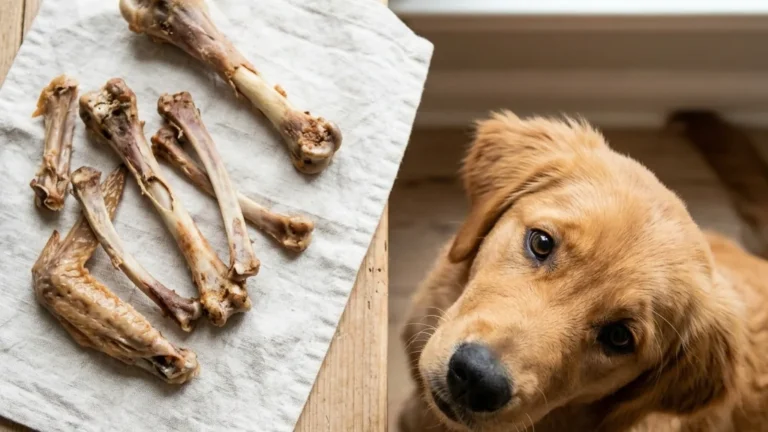
Reality: Raw chicken bones, particularly small, brittle ones, can splinter and cause choking hazards, internal punctures, or obstructions in the digestive tract. The ASPCA Animal Poison Control Center advises extreme caution with bones. While softer, appropriately sized raw bones might be manageable for some dogs, they still pose risks. Cooked bones, however, are always dangerous as they become brittle and more prone to splintering.
What to Track After Feeding Raw Chicken
- Stool Consistency: Monitor the firmness and frequency of bowel movements daily. Note any instances of diarrhea, constipation, or mucus.
- Vomiting Episodes: Record the number of times your dog vomits, the contents of the vomit, and the time elapsed since the last meal or incident.
- Appetite Levels: Track your dog’s interest in food. A sudden decrease in appetite or refusal to eat warrants attention.
- Energy and Behavior: Observe for lethargy, restlessness, abdominal pain (e.g., hunching, whining when touched), or other behavioral changes.
- Hydration Status: Check gum moisture and skin elasticity to assess hydration, especially if vomiting or diarrhea occurs.
- Duration of Symptoms: Note how long any adverse symptoms persist. Mild issues resolving within 12-24 hours differ greatly from those lasting longer.
- Handling Hygiene Adherence: Confirm that all hand-washing and surface-cleaning protocols were followed meticulously.
Frequently Asked Questions About Raw Chicken for Dogs
Is it safe to feed my dog raw chicken necks?
Raw chicken necks can be a source of calcium and phosphorus, but they pose choking and obstruction risks. The small bones can splinter or become lodged. It’s crucial to supervise your dog closely and ensure the necks are appropriately sized for them. Consult your veterinarian or a veterinary nutritionist about bone inclusion in your dog’s diet.
Can raw chicken cause pancreatitis in dogs?
While raw chicken itself is not a direct cause of pancreatitis, a sudden switch to a high-fat raw diet or feeding large amounts of fatty scraps, which can sometimes accompany raw chicken preparations, might trigger pancreatitis in susceptible dogs. Symptoms include severe vomiting, abdominal pain, and lethargy.
What are the signs of Salmonella poisoning in dogs?
Dogs infected with Salmonella may exhibit symptoms such as diarrhea (sometimes bloody), vomiting, fever, lethargy, loss of appetite, and abdominal pain. They can also shed the bacteria in their feces without showing symptoms, posing a risk to humans. Prompt veterinary care is essential if Salmonella is suspected.
Should I grind raw chicken for my dog?
Grinding raw chicken increases its surface area, potentially promoting bacterial growth. While it can make portioning easier, it doesn’t inherently make it safer. Rigorous hygiene practices remain critical. Some owners opt for commercially ground raw diets that undergo pathogen testing and processing to mitigate risks.
What are the alternatives to feeding raw chicken?
Excellent alternatives include high-quality commercial kibble, wet food, or freeze-dried raw diets that have undergone safety testing. For those interested in homemade diets, consulting a board-certified veterinary nutritionist is highly recommended to ensure complete and balanced nutrition and to discuss safe food preparation methods for any meats used.
How long can raw chicken be safely stored for dogs?
Raw chicken intended for dogs should be stored in the refrigerator at 40°F (4°C) or below and used within 1-2 days. Freezing raw chicken can extend its shelf life significantly, but it should be thawed safely in the refrigerator, not at room temperature. Always use your judgment regarding freshness.
Final Thoughts on Raw Chicken for Canine Diets
While the allure of feeding raw chicken persists among some dog owners, the potential risks associated with bacterial contamination and nutritional imbalances cannot be overlooked. Prioritizing your dog’s health means making informed choices grounded in scientific evidence and veterinary guidance. Always consult with your veterinarian or a certified veterinary nutritionist before making significant changes to your dog’s diet, especially when considering raw feeding. They can help you assess the risks and benefits specific to your dog and ensure their nutritional needs are met safely.