Understanding dog bone safety is crucial for owners who want to provide natural chews. This guide details the risks associated with feeding bones, including potential choking hazards, dental fractures, and gastrointestinal blockages. We’ll cover safe preparation methods and appropriate portion sizes, distinguishing between types of bones and their relative safety.
This article provides evidence-based information, drawing from veterinary authorities, to help you make informed decisions. It is not a substitute for professional veterinary advice and does not offer diagnostic or treatment recommendations.
We focus solely on the safety aspects of feeding bones to dogs, not on the nutritional benefits of raw diets or specific bone-in food products. Always consult your veterinarian for personalized guidance. For more on this topic, see our meat protein safety.
Quick Answer: Are Bones Safe for Dogs?
Quick version: While some bones can be given to dogs, strict adherence to dog bone safety guidelines is essential to prevent serious injury. Raw, non-weight-bearing bones of appropriate size (too large to swallow whole) are generally considered safer than cooked bones, which can splinter. Owners should avoid small, brittle, or weight-bearing bones from large animals. Signs of trouble include choking, vomiting, constipation, or bloody stool, which warrant immediate veterinary attention. Always supervise your dog when they have a bone.
Why Dog Bone Safety Matters for Your Pet’s Health
The desire to offer dogs natural enrichment through bones is understandable, but neglecting dog bone safety can lead to emergency veterinary visits and significant financial costs. Bones, particularly cooked ones, pose considerable risks. The American Veterinary Medical Association (AVMA) highlights that bone ingestion can cause severe gastrointestinal issues, including obstructions and perforations, which are life-threatening emergencies. A study published in the journal *Veterinary Record* indicated that 1 in 30 dogs presenting with gastrointestinal problems had ingested bones, leading to surgery in 70% of these cases. Furthermore, the risk of dental fractures is substantial, as canine teeth are not designed to break dense bone material. Understanding these risks empowers owners to make safer choices, prioritizing their dog’s well-being over potentially harmful treats. This knowledge helps prevent trauma, internal damage, and the distress associated with a pet emergency.
When to Wait and Watch vs. Call Your Vet Immediately
Navigating potential issues after your dog has interacted with a bone requires careful observation. While not all bone consumption leads to immediate problems, certain signs indicate a need for professional veterinary intervention. The ASPCA Animal Poison Control Center (APCC) advises owners to monitor their pets closely for any deviations from normal behavior or physical signs of distress. Remember, this is not an exhaustive list, and any unusual symptoms should prompt a call to your veterinarian. Related: our raw chicken.
Wait and watch:
- Mild, temporary gagging: A brief gagging episode that resolves on its own without distress or difficulty breathing.
- Minor, occasional drooling: Slightly increased salivation that stops within an hour and isn’t accompanied by vomiting.
- Apparent unease or restlessness: Your dog seems slightly uncomfortable but is still able to move freely and shows no signs of pain.
- Small, soft bone fragments passed in stool: If your dog passes very small, softened fragments without any signs of diarrhea or straining.
Call your vet now:
- Vomiting for more than 12 hours: Persistent vomiting, especially if it contains blood or bile, indicates a serious issue.
- Straining to defecate or inability to defecate for over 24 hours: This strongly suggests a gastrointestinal obstruction.
- Bloody diarrhea or visible blood in stool: Indicates significant internal irritation or damage.
- Lethargy or extreme weakness: A sudden, severe lack of energy or inability to stand requires immediate attention.
- Difficulty breathing or coughing: Could signal aspiration of bone fragments into the lungs or severe distress.
- Signs of intense pain: Whining, yelping when touched, hunched posture, or guarding the abdomen are critical indicators.
Safe Bone Feeding: A Step-by-Step Guide
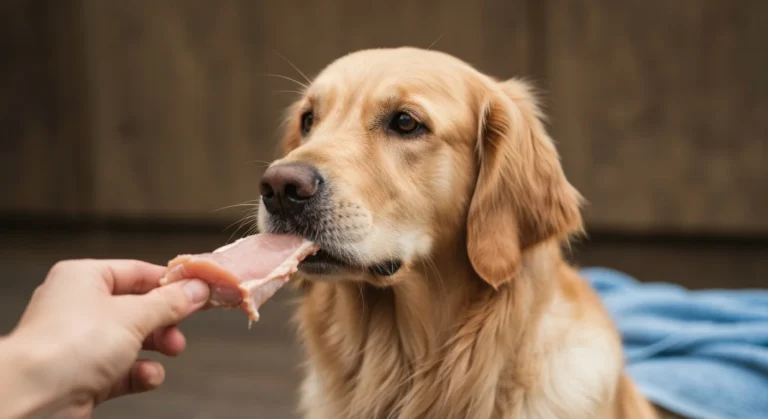
- Choose Appropriate Bones: Select raw, meaty bones that are large enough to prevent your dog from swallowing them whole. Opt for non-weight-bearing bones from smaller animals like chicken wings or necks, or lamb ribs. Avoid cooked bones entirely, as they become brittle and prone to splintering. The Merck Veterinary Manual advises against giving weight-bearing bones from large animals (like beef femurs) due to their density and potential to fracture teeth. Ensure bones are fresh and have not been treated with chemicals.
- Supervise Your Dog Continuously: Never leave your dog unsupervised with a bone, regardless of its perceived safety. This is critical for immediate intervention should choking, splintering, or intense chewing occur. Supervision allows you to remove the bone if your dog starts to break off large pieces or exhibits distress. A minimum of 30 minutes of direct, active supervision is recommended for any new bone type.
- Portion Control is Key: Bones should be given as occasional treats, not as a primary food source. Overfeeding bones can lead to constipation or nutritional imbalances. A general guideline from veterinary nutritionists suggests bones should constitute no more than 10-15% of a dog’s total weekly intake, and this should be carefully monitored. For a 50 lb dog, this might mean only one or two small raw chicken wings per week.
- Inspect Bones Before and After: Before offering a bone, check for any sharp edges, cracks, or signs of decay. After your dog has chewed on it for a while, inspect the remaining bone. If it has been chewed down to a size that could be swallowed, or if it’s splintering significantly, take it away. Regularly check your dog’s mouth for any lodged bone fragments.
- Introduce Slowly and Monitor: If your dog has never had bones before, introduce them gradually. Start with very small, soft, raw bones like chicken necks. Observe your dog for at least 24-48 hours after the first bone feeding. Watch for any digestive upset, such as vomiting, diarrhea, or constipation. If any adverse reactions occur, discontinue bone feeding and consult your veterinarian.
- Know When to Discard: Bones should not be re-frozen after thawing, as this can promote bacterial growth. Discard any bone that has been gnawed down to a small, swallowable size, or any bone that shows signs of splintering or becoming sharp. Also, discard bones that have been sitting out for more than a few hours, especially in warm weather, to prevent bacterial contamination.
Common Myths About Dog Bone Safety Debunked
Myth: All raw bones are safe for dogs.
Reality: While raw bones are generally safer than cooked ones, risks still exist. Raw bones can harbor harmful bacteria like Salmonella and E. coli, posing a zoonotic risk to humans. Large, dense raw bones can still fracture teeth, and smaller raw bones can be choking hazards if not appropriately sized. The FDA advises caution with raw animal products, including bones, due to potential pathogen contamination.
Myth: Cooked bones are fine if they are large.
Reality: Cooking makes bones brittle. The heat causes them to lose moisture and become prone to splintering into sharp fragments. These fragments can cause severe internal damage, including lacerations to the mouth, tongue, esophagus, stomach, and intestines, or lead to dangerous obstructions. The AVMA strongly advises against feeding cooked bones of any kind.
Myth: Bones are essential for a dog’s dental health.
Reality: While chewing on appropriate items can help scrape plaque, bones are not a substitute for regular dental care. The risk of dental fractures from chewing bones often outweighs any minor cleaning benefit. Effective dental care includes regular brushing, dental chews approved by veterinary dental specialists, and professional cleanings. Relying solely on bones for dental hygiene is a dangerous misconception.
Myth: If my dog swallowed a bone, it will probably pass without issue.
Reality: This is a dangerous assumption. While small, smooth fragments may pass, larger pieces, sharp splinters, or entire bones can cause serious gastrointestinal obstructions or perforations. These require emergency surgery. Signs like vomiting, lethargy, or straining to defecate are critical indicators that immediate veterinary attention is needed, as delaying care can be fatal. Always contact your vet if you suspect ingestion of problematic bone material.
What to Track After Bone Consumption
Monitoring your dog after they’ve had access to bones is crucial for identifying potential problems early. Keep a close eye on the following indicators:
- Vomiting Frequency and Content: Note if vomiting occurs, how often, and what it contains (food, bile, blood).
- Bowel Movement Consistency: Track stool consistency, looking for diarrhea, hard/dry stools, or straining.
- Appetite and Water Intake: A sudden decrease in appetite or thirst can signal distress.
- Energy Levels: Observe for lethargy, weakness, or unusual restlessness.
- Behavioral Changes: Note any signs of pain, discomfort, guarding the abdomen, or unusual vocalization.
- Oral Examination: Periodically check your dog’s mouth for any lodged bone fragments or signs of injury to the tongue or gums.
- Time Since Last Bone Exposure: Knowing when the exposure occurred helps your vet assess the urgency.
- Bone Type and Size: Documenting the specific bone involved is vital information for your veterinarian.
Frequently Asked Questions About Dog Bone Safety
Can puppies eat bones safely?
Puppies have delicate teeth and developing digestive systems, making bone consumption particularly risky. Raw, appropriately sized bones from poultry like chicken necks can sometimes be introduced under strict supervision once a puppy is fully weaned and has started solid food. However, the risk of choking, dental damage, or gastrointestinal upset is high. It is generally recommended to delay offering bones until a puppy is older and has stronger teeth, and always consult your veterinarian first.
Are specific types of bones more dangerous than others?
Yes, cooked bones are universally considered dangerous due to their tendency to splinter. Weight-bearing bones from large animals (e.g., beef leg bones) are very dense and pose a high risk of fracturing teeth. Small bones, like those from fish or poultry wings, can be choking hazards if swallowed whole. Conversely, raw, non-weight-bearing bones from medium-sized animals, such as lamb ribs or turkey necks, are often recommended as safer options when given under supervision and in appropriate sizes.
How can I make bones safer for my dog?
The most critical step is to only offer raw, non-weight-bearing bones that are too large for your dog to swallow whole. Always supervise your dog closely while they chew. Remove the bone if it becomes small enough to swallow or starts to splinter. Avoid cooked bones entirely. Regular dental check-ups with your veterinarian are also essential to monitor for any damage incurred from chewing.
What are the signs of a bone obstruction in dogs?
Signs of a bone obstruction can include persistent vomiting, loss of appetite, severe lethargy, abdominal pain (indicated by a hunched posture or reluctance to be touched), constipation or straining to defecate, and sometimes bloody stool. If you notice any of these symptoms after your dog has ingested a bone, contact your veterinarian or an emergency animal hospital immediately, as this is a life-threatening condition requiring prompt medical intervention.
Can bones cause constipation in dogs?
Yes, bones can absolutely cause constipation in dogs. The mineral content, particularly calcium and phosphorus, can bind with other fecal matter, creating very hard, dry stools that are difficult to pass. If a dog consumes too much bone material or very dense bone fragments, it can lead to a significant blockage. This is why portion control and choosing appropriate bone types are vital. Persistent constipation requires veterinary attention.
Is it safe to give my dog bones to clean their teeth?
While chewing can help remove some surface plaque, bones are not a safe or reliable method for cleaning a dog’s teeth. The risk of dental fractures, broken teeth, or internal injuries from chewing on bones is significant and far outweighs any potential dental benefits. Safer and more effective methods for dental hygiene include regular tooth brushing with dog-specific toothpaste, dental chews approved by veterinary organizations, and professional dental cleanings performed by your vet.
Prioritizing Your Dog’s Safety
While bones can be a natural and engaging chew for some dogs, the potential dangers associated with them cannot be overstated. Prioritizing dog bone safety means understanding the risks of choking, splintering, dental fractures, and gastrointestinal obstructions. Always opt for raw, appropriately sized, non-weight-bearing bones, and provide vigilant supervision. If you have any doubts about the safety of a particular bone or if your dog exhibits any concerning symptoms after chewing, do not hesitate to seek professional advice from your veterinarian. Your vet is your best resource for ensuring your dog’s well-being.