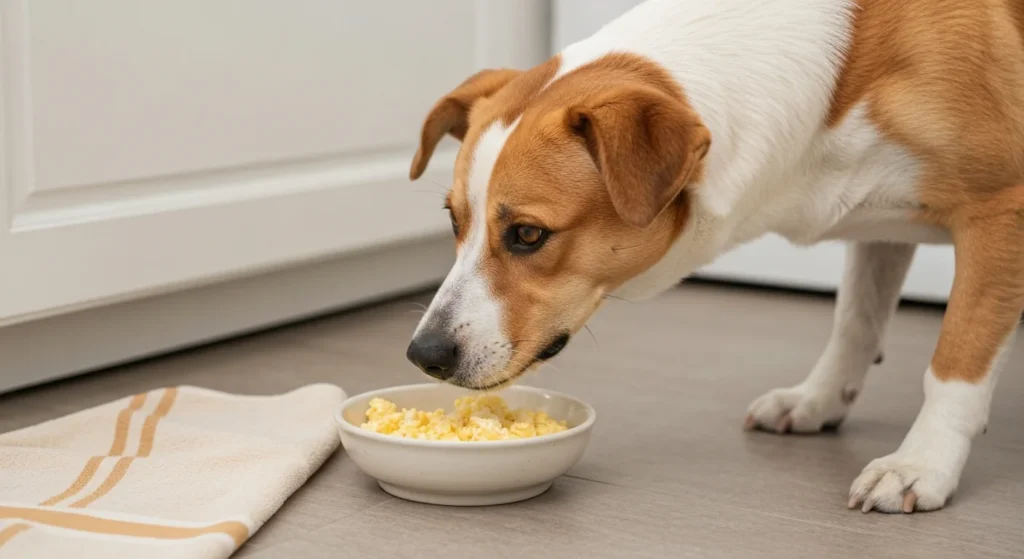
Yes, dogs can eat cooked eggs, and they can be a nutritious addition to their diet when prepared and served correctly. However, understanding the right way to offer them is crucial for safety and maximizing benefits.
This guide, written from the perspective of a former veterinary technician, details how to safely feed your dog cooked eggs. We’ll cover preparation methods, appropriate portion sizes based on your dog’s weight, and potential risks or concerns, drawing on veterinary expert advice.
We aim to provide clear, actionable information, distinguishing between safe practices and situations that warrant professional veterinary attention. This is not a substitute for veterinary advice, but a resource to help you make informed feeding decisions. For more on this topic, see our meat protein safety.
Quick Answer: Can Dogs Eat Cooked Eggs?
Quick version: Dogs can safely eat cooked eggs. Plain, fully cooked eggs offer a good source of protein, vitamins, and minerals. The key is proper preparation: avoid adding seasonings, oils, or fats. Portion size matters; a general guideline is one small egg per 10-20 pounds of body weight per day, or a few times a week, depending on your dog’s overall diet and caloric needs. Raw eggs carry a risk of Salmonella and biotin deficiency, making cooked eggs the safer choice. Always introduce new foods gradually and consult your veterinarian if you have specific concerns about your dog’s health or diet.
Why Feeding Cooked Eggs Matters for Your Dog
As a dog owner, you constantly evaluate what goes into your dog’s bowl. Understanding the safety and nutritional implications of common human foods like cooked eggs is critical. Cooked eggs are a readily available protein source, and many owners wonder if they are a safe and beneficial treat or supplement for their canine companions. Providing dogs with a balanced diet is a cornerstone of preventative care, and knowing which human foods are safe can enhance their well-being.
The American Kennel Club (AKC) notes that eggs can be a beneficial part of a dog’s diet, offering essential amino acids, vitamins (like D and B12), and minerals (such as iron and selenium). However, the safety hinges entirely on how they are prepared and the quantity offered. Improperly cooked eggs or excessive consumption can lead to adverse effects, making it vital for owners to have clear, evidence-based guidance. This knowledge empowers you to make informed choices that support your dog’s health and prevent potential issues, aligning with the principles of responsible pet ownership and preventative veterinary care. Related: our raw fish.
Cooked Egg Consumption: When to Wait vs. Call the Vet
While cooked eggs are generally safe for dogs, certain scenarios or signs might indicate a need for immediate veterinary attention. Most adverse reactions to eggs stem from preparation methods, excessive intake, or underlying health conditions, rather than the egg itself. It’s essential to differentiate between minor digestive upset and more serious symptoms.
Wait and watch:
- Mild, transient digestive upset: Some dogs may experience a single episode of loose stool or mild gas after consuming an egg, especially if it’s a new addition to their diet. This usually resolves on its own within 12-24 hours.
- Slight change in stool consistency: If the stool is only slightly softer than usual and the dog remains otherwise normal (eating, drinking, active), monitor closely.
- Occasional, small amount of undigested egg in stool: A very small amount might indicate a slight intolerance or a large meal, but if it’s consistent or accompanied by other symptoms, consult your vet.
- Increased thirst: A slight increase might be related to diet changes. Monitor intake and output closely.
Call your vet now:
- Vomiting for more than 24 hours: Persistent vomiting, especially if it contains blood or is projectile, requires immediate veterinary assessment.
- Diarrhea with blood or lasting over 24 hours: Bloody diarrhea, or diarrhea that doesn’t improve quickly, can signal a more serious gastrointestinal issue.
- Lethargy or weakness: If your dog becomes unusually tired, unresponsive, or weak, this is a significant warning sign.
- Signs of allergic reaction: Though rare with cooked eggs, watch for facial swelling, hives, difficulty breathing, or severe itching.
- Refusal to eat or drink for over 24 hours: A complete loss of appetite combined with dehydration is a critical concern.
- Suspicion of raw egg ingestion: If you suspect your dog ate raw eggs, contact your vet due to the risk of Salmonella and biotin deficiency.
The Merck Veterinary Manual emphasizes that while eggs are a nutrient-dense food, any adverse reactions should be taken seriously, and prompt veterinary consultation is advised if symptoms are severe or persistent.
Step-by-Step Guide to Feeding Cooked Eggs
- Choose Plain Cooking Methods: Opt for boiling or scrambling eggs without any oil, butter, salt, pepper, or other seasonings. These additions can be harmful to dogs, causing digestive upset or even pancreatitis in fatty preparations. Ensure the eggs are cooked thoroughly until both the yolk and white are firm. This kills potential bacteria like Salmonella.
- Portion Control Based on Size: A general guideline for an average-sized dog is to offer about one small to medium-sized cooked egg for every 10-20 pounds of body weight, perhaps a few times a week. For smaller dogs, a quarter or half an egg might be sufficient. Overfeeding can lead to weight gain or digestive issues due to excessive protein and fat.
- Introduce Gradually: If your dog has never eaten eggs before, start with a very small amount, such as a spoonful of scrambled or chopped boiled egg, mixed into their regular food. Observe your dog for any signs of digestive upset, like gas or loose stools, over the next 24-48 hours.
- Monitor for Reactions: After feeding the small introductory portion, closely watch your dog for any adverse reactions. Pay attention to their stool consistency, energy levels, and appetite. If no negative signs appear after a couple of days, you can gradually increase the portion size to the recommended amount.
- Integrate into Diet Thoughtfully: Cooked eggs can be offered as a treat, a topper for their regular kibble, or mixed into homemade dog food recipes. Remember that eggs add calories, so adjust your dog’s main meal accordingly to prevent overfeeding and maintain a balanced nutritional profile. Consult your veterinarian for personalized portioning advice.
- Consider Eggshells (Optional, with caution): If you choose to feed eggshells, they must be thoroughly cleaned, dried, and ground into a fine powder. Eggshells are a natural source of calcium. A common recommendation is about 1/4 teaspoon of powdered eggshell per day for every 50 pounds of dog weight. However, some dogs may not tolerate them well, and improper preparation can lead to choking hazards or internal irritation. It’s best to discuss this with your vet before adding powdered shells.
Common Misconceptions About Dogs and Cooked Eggs
Myth: Dogs should never eat eggs because they are high in cholesterol.
Reality: While eggs do contain cholesterol, dietary cholesterol has a minimal impact on a dog’s blood cholesterol levels compared to humans. For most healthy dogs, the nutritional benefits of cooked eggs, including high-quality protein and essential fatty acids, outweigh concerns about cholesterol. The ASPCA Animal Poison Control Center notes that moderation is key, and excessive intake of any rich food can be problematic.
Myth: Feeding dogs cooked eggs will make their coat dull and skin flaky.
Reality: This is often a misunderstanding related to raw eggs and biotin. Raw egg whites contain avidin, a protein that binds to biotin (a B vitamin), potentially leading to a deficiency and subsequent skin and coat issues. However, cooking denatures avidin, rendering it harmless. In fact, the nutrients in cooked eggs, like omega-3 fatty acids, can actually improve skin and coat health.
Myth: All cooked eggs are safe for dogs, regardless of how they are prepared.
Reality: This is incorrect and potentially dangerous. Scrambled or fried eggs cooked with oil, butter, salt, garlic, onions, or other spices can cause significant health problems. Fatty foods can trigger pancreatitis, while ingredients like garlic and onions are toxic to dogs. Only plain, thoroughly cooked eggs are considered safe.
Myth: Dogs can eat as many cooked eggs as they want.
Reality: While safe in moderation, overfeeding any food, including eggs, can lead to health issues. Excessive protein can strain kidneys in dogs with pre-existing conditions, and the added calories can contribute to obesity. A general guideline suggests no more than one egg per day for a larger dog, and less for smaller breeds, as part of a balanced diet. The FDA Center for Veterinary Medicine advises owners to consider the caloric density of treats and supplements.
What to Track After Feeding Cooked Eggs
- Digestive Upset: Note any instances of vomiting, diarrhea, or excessive gas. Record the frequency, consistency, and duration.
- Stool Quality: Observe the color, consistency, and frequency of your dog’s bowel movements. Look for any changes from their normal baseline.
- Appetite and Thirst: Monitor if your dog’s appetite remains normal or if they show increased thirst or refusal to eat their regular food.
- Energy Levels: Track any changes in your dog’s activity level. Unusual lethargy or hyperactivity could be significant.
- Skin and Coat Condition: While less immediate, observe for any changes like excessive scratching, redness, or dullness in their coat over time.
- Weight: Regularly monitor your dog’s weight to ensure that added calories from eggs are not contributing to unwanted weight gain.
- Allergic Reactions: Be vigilant for any signs of allergic response, such as itching, swelling, or respiratory distress, though this is rare with cooked eggs.
Frequently Asked Questions About Dogs and Cooked Eggs
Can dogs eat scrambled eggs?
Yes, dogs can eat scrambled eggs, provided they are cooked plain without any added oil, butter, salt, or seasonings. Scrambled eggs offer a good source of protein and nutrients. Ensure they are fully cooked to eliminate bacterial risks. Overfeeding can still lead to digestive upset or weight gain, so portion control is important.
Is a boiled egg safe for dogs?
A plain, hard-boiled egg is one of the safest ways to feed eggs to your dog. Boiling requires no added fats or seasonings, making it a healthy and digestible option. Ensure the egg is completely cooked through. Boiled eggs can be offered as a treat or mixed into their regular food, following appropriate portion guidelines based on your dog’s size.
How many cooked eggs can I give my dog per day?
The frequency and quantity depend on your dog’s size, activity level, and overall diet. A general recommendation is no more than one small to medium-sized cooked egg per day for a larger dog (over 40 lbs), and less for smaller breeds. Many owners opt to feed eggs only a few times a week to avoid potential digestive upset or caloric excess. Always consult your veterinarian for personalized advice.
Are egg yolks safe for dogs?
Yes, the yolk of a cooked egg is safe and nutritious for dogs. Egg yolks are rich in vitamins A, D, E, and K, as well as essential fatty acids. When cooked thoroughly as part of a whole egg, the yolk poses no special risk. Ensure the entire egg is cooked to avoid the risks associated with raw yolks, such as Salmonella contamination.
What are the risks of feeding dogs cooked eggs?
The primary risks associated with feeding dogs cooked eggs are related to how they are prepared and the quantity consumed. Feeding eggs cooked with unhealthy fats, spices, or toxic ingredients (like garlic or onions) can cause pancreatitis or poisoning. Overfeeding can lead to digestive upset, obesity, or nutrient imbalances. While rare, some dogs might develop a mild intolerance or allergy. The FDA Center for Veterinary Medicine advises caution with any new food introduction.
Can cooked eggs help my dog’s coat?
Yes, the nutrients found in cooked eggs, such as protein, biotin (once cooked), and essential fatty acids, can contribute to a healthier coat and skin. Protein is vital for hair growth, and fatty acids can help maintain skin moisture and reduce inflammation. However, this benefit is maximized when eggs are part of a balanced diet and not the sole source of these nutrients.
Conclusion: A Nutritious Treat When Handled Properly
Cooked eggs can be a valuable, protein-rich addition to your dog’s diet when prepared safely and offered in moderation. By understanding the correct cooking methods, appropriate portion sizes, and potential signs of adverse reactions, you can confidently incorporate this nutritious food. Always prioritize plain preparation and monitor your dog for any changes. Remember, your veterinarian is your best resource for personalized dietary advice and to address any specific health concerns regarding your dog’s nutrition.