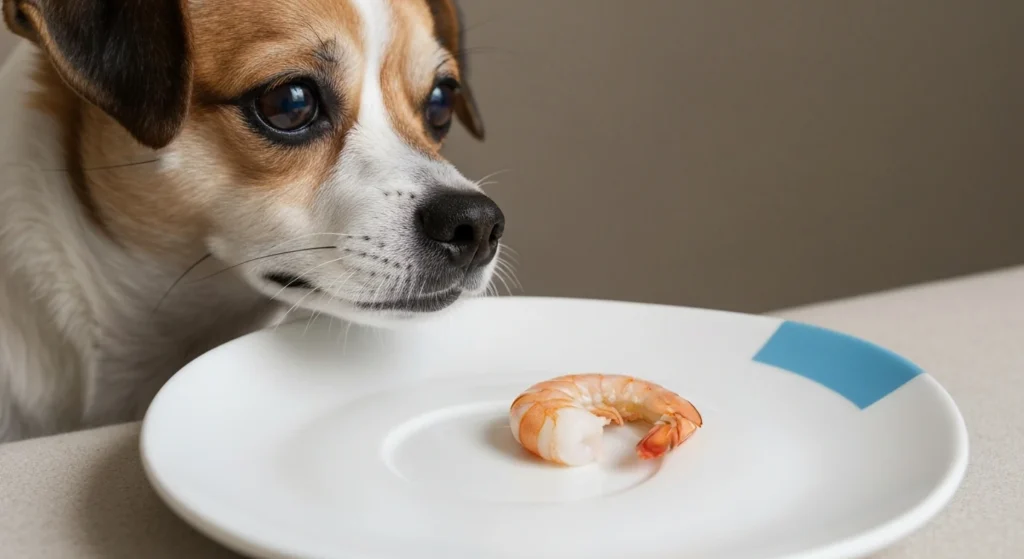
Can dogs eat shellfish? The answer is complicated, involving preparation methods, types of shellfish, and potential risks. While small amounts of certain cooked shellfish may be safe for some dogs, others can experience severe reactions or gastrointestinal upset. This guide, drawing on veterinary expertise, clarifies the risks associated with feeding dogs shellfish, covering safe preparation and what to avoid.
This article provides evidence-based guidance for dog owners considering offering shellfish. It does not offer medical advice or diagnoses. Always consult your veterinarian for personalized recommendations regarding your dog’s diet and health.
We cover safe feeding practices, common misconceptions, and critical signs that warrant immediate veterinary attention, helping you make informed decisions about introducing shellfish into your dog’s diet. For more on this topic, see our meat protein safety.
Can Dogs Eat Shellfish?
In brief: While some dogs may tolerate small amounts of plain, cooked shellfish like shrimp or crab, it’s generally not recommended as a regular part of their diet due to potential risks. Undercooked or improperly prepared shellfish can harbor bacteria and parasites. Some dogs may also experience allergic reactions. Always ensure shellfish is thoroughly cooked, free of seasonings, and offered only in very small, infrequent portions. If your dog has eaten raw or spoiled shellfish, or shows signs of illness, contact your veterinarian immediately.
Why Understanding Shellfish Safety for Dogs is Crucial
As a former veterinary technician, I’ve seen firsthand how easily seemingly harmless human foods can cause significant distress for our canine companions. Shellfish, a popular human delicacy, falls into this category. The concern isn’t just about general digestive upset; it’s about specific contaminants and allergens that can pose serious health threats. For instance, raw shellfish can carry Vibrio bacteria, which can cause severe gastrointestinal issues in dogs, mirroring symptoms in humans. The American Veterinary Medical Association (AVMA) notes that foodborne illnesses in pets can stem from consuming contaminated raw or undercooked foods, including seafood [https://www.avma.org/resources-tools/pet-owners/petcare/foodborne-illness-your-pet].
Furthermore, shellfish are common allergens for some dogs. Similar to human sensitivities, a dog might develop an intolerance to proteins found in shrimp, crab, or lobster. Allergic reactions can range from mild skin irritation to severe anaphylaxis, a life-threatening condition. Understanding these risks is vital for preventing accidental poisoning or allergic episodes. The ASPCA Animal Poison Control Center (APCC) frequently fields calls about dietary indiscretions, and while shellfish isn’t on the top-toxic list, the potential for allergic reactions and bacterial contamination makes it a food to approach with extreme caution [https://www.aspca.org/pet-care/animal-poison-control/toxic-and-non-toxic-plants]. Related: our can dogs eat tuna.
Shellfish Consumption: When to Monitor and When to Call the Vet
Deciding whether your dog’s reaction to eating shellfish warrants immediate veterinary care or just close observation depends on the circumstances and the symptoms displayed. It’s crucial to differentiate between minor digestive upset and signs of a serious issue like a severe allergic reaction, bacterial infection, or obstruction.
Wait and watch:
- Mild, transient vomiting (1-2 episodes within a few hours) with no other symptoms.
- Slightly softer stools or a single instance of diarrhea, resolving within 12-24 hours.
- Reduced appetite for a few hours, with normal energy levels otherwise.
- Occasional mild gas or bloating, not causing visible discomfort.
- Slight lethargy that resolves after a short rest.
Call your vet now:
- Persistent or severe vomiting (more than 3 episodes in 24 hours, or vomiting accompanied by blood).
- Severe, bloody, or prolonged diarrhea (lasting over 24 hours, or containing significant blood).
- Signs of an allergic reaction, such as facial swelling, hives, difficulty breathing, or rapid swelling of the throat or tongue.
- Signs of a severe gastrointestinal blockage (e.g., extreme abdominal pain, hunched posture, repeated retching without producing vomit).
- Lethargy or weakness that is profound and does not improve.
- Fever (rectal temperature above 103.5°F or 39.7°C).
- If the dog consumed raw shellfish, especially oysters or clams, due to the risk of Vibrio or Hepatitis A infections, which can cause severe illness.
The Merck Veterinary Manual advises that gastrointestinal signs can be indicative of various serious conditions, and prompt veterinary evaluation is essential when symptoms are severe or persistent [https://www.merckvetmanual.com/dog-owners/digestive-system-disorders-of-dogs/vomiting-in-dogs].
Safely Offering Cooked Shellfish: A Step-by-Step Approach
- Assess Your Dog’s Health: Before even considering shellfish, ensure your dog is generally healthy, has no pre-existing allergies (especially to seafood), and has a stable digestive system. Dogs with known food sensitivities or gastrointestinal issues should avoid shellfish entirely.
- Choose Appropriate Shellfish: Opt for lean, white fish or shellfish like shrimp, crab, or lobster. Avoid fatty fish or shellfish that are more likely to cause digestive upset. Ensure the shellfish is fresh and sourced from a reputable supplier.
- Thoroughly Cook the Shellfish: This is critical. Boil, steam, or bake the shellfish until it is completely opaque and cooked through. Never feed raw shellfish to your dog, as it can contain harmful bacteria like Vibrio, parasites, or toxins. Cooking temperatures should ensure the internal temperature reaches a safe level to kill pathogens.
- Remove Shells and De-vein: Once cooked, carefully remove all shells, sharp edges, and any tough cartilage. For shrimp, ensure the digestive tract (the dark line along the back) is removed, as this can be difficult to digest and may contain grit.
- Plain Preparation Only: Serve the cooked shellfish plain. Absolutely NO seasonings, butter, oils, garlic, onions, or any other spices or flavorings should be added. Many common human seasonings are toxic to dogs, such as garlic and onion.
- Portion Control is Key: Shellfish should be an occasional treat, not a dietary staple. For small dogs, a portion equivalent to one or two small cooked shrimp (about 1-2 teaspoons) is a generous treat. For larger breeds, a portion no larger than a tablespoon is typically sufficient. This represents less than 5% of their daily caloric intake.
- Introduce Gradually and Monitor: If offering for the first time, give a very small piece and monitor your dog for the next 24-48 hours for any signs of adverse reactions, such as vomiting, diarrhea, itching, or lethargy.
Debunking Shellfish Myths for Dog Owners
Myth: All shellfish is equally safe for dogs if cooked.
Reality: While cooking is essential for all shellfish, the types vary in risk. For example, oysters and clams, especially when raw, carry a higher risk of bacterial contamination (like Vibrio) and potential Hepatitis A transmission, as noted by the FDA [https://www.fda.gov/food/seafood-guidance-regulatory-information/seafood-guidance-regulatory-information]. Cooked shrimp or crab, when plain and de-shelled, are generally considered lower risk than some other shellfish, but still require careful preparation and moderation.
Myth: A little bit of raw shellfish won’t hurt my dog.
Reality: Feeding raw shellfish to dogs is strongly discouraged. The risk of bacterial infections (e.g., Vibrio, Salmonella) and parasitic infestations is significant. These pathogens can cause severe gastrointestinal distress, dehydration, and in rare cases, more systemic illness. The Pet Poison Helpline advises against feeding raw or undercooked seafood due to these risks [https://www.petpoisonhelpline.com/poison/shellfish/].
Myth: Shellfish is a healthy protein source and beneficial for dogs.
Reality: While lean, cooked shellfish can provide some protein and omega-3 fatty acids, it’s not a necessary or ideal component of a dog’s diet. Commercial dog foods are formulated to provide complete and balanced nutrition. If your dog has no allergies, a small amount of plain, cooked shellfish can be a safe treat, but it doesn’t offer unique benefits that cannot be obtained from their regular, balanced food. Overfeeding can lead to nutritional imbalances or digestive upset.
Myth: Seasonings make shellfish tastier and are harmless for dogs.
Reality: This is a dangerous misconception. Many common human seasonings, including garlic powder, onion powder, chili powder, and even excessive salt, are toxic or harmful to dogs. Garlic and onions, in particular, can damage a dog’s red blood cells, leading to anemia. Therefore, shellfish intended for canine consumption must be completely free of any added flavorings. The American Kennel Club (AKC) lists many common seasonings as toxic to dogs [https://www.akc.org/expert-advice/nutrition/can-dogs-eat-garlic/].
Observing Your Dog After Shellfish Consumption
When introducing any new food, especially one with potential risks like shellfish, careful observation is key. The goal is to catch any adverse reactions early. Keep a log or mental note of the following:
- Time of Consumption: Note the exact time your dog ate the shellfish.
- Amount and Type: Record how much was eaten and what type of shellfish it was (e.g., 1 shrimp, 2 oz crab meat).
- Preparation Method: Document how it was cooked (boiled, steamed) and that it was plain.
- Vomiting Frequency and Appearance: Track if vomiting occurs, how many times, and if there’s any blood or bile present.
- Stool Consistency: Monitor for diarrhea, noting its frequency, color, and if blood is present.
- Appetite and Thirst: Observe if your dog’s appetite has decreased significantly or if they are drinking excessively.
- Energy Levels: Note any unusual lethargy, weakness, or restlessness.
- Skin and Behavior: Watch for signs of itching, scratching, pawing at the mouth, or facial swelling.
- Respiratory Signs: In rare cases of severe allergy, monitor for rapid breathing, coughing, or wheezing.
- Abdominal Discomfort: Observe for signs of pain, such as a hunched posture, reluctance to move, or guarding the abdomen.
These observations are invaluable for your veterinarian if you need to seek medical advice.
Frequently Asked Questions About Dogs and Shellfish
Are shrimp safe for dogs?
Plain, cooked shrimp, with the shell and digestive tract removed, can be safe for dogs in very small, infrequent amounts. Shrimp are low in fat and a good source of protein. However, ensure they are thoroughly cooked and free of any seasonings, as these can be harmful. Monitor your dog for any adverse reactions after feeding.
Can dogs eat crab meat?
Cooked crab meat, without shells or seasonings, can be offered to dogs sparingly. Like shrimp, crab meat is a source of protein. Ensure it is fully cooked to eliminate bacteria and parasites. The main risks are from improperly prepared crab (raw, seasoned) or from the sharp shell fragments if not removed completely, which could cause internal injury.
Is lobster safe for dogs?
Plain, cooked lobster meat, free of shell and seasonings, is generally safe for dogs in very small quantities. Lobster is high in protein but can also be rich. Overfeeding could lead to digestive upset. The primary concerns remain bacterial contamination from undercooking and potential harm from seasonings or shell fragments. Always serve it unseasoned and thoroughly cooked.
What about scallops for dogs?
Plain, cooked scallops can be given to dogs in moderation. Scallops are typically low in fat and a good source of protein. As with all shellfish, they must be thoroughly cooked and served without any butter, oil, or seasonings. Raw scallops carry the same bacterial risks as other raw shellfish. Owners should also be mindful of potential allergies.
Can dogs eat mussels or clams?
Mussels and clams are generally not recommended for dogs due to their higher risk of bacterial contamination (Vibrio, Salmonella) and potential for containing toxins, especially when consumed raw. Even when cooked, they can be problematic. If your dog accidentally consumes them, especially raw, monitor closely for gastrointestinal signs and consult your veterinarian.
What if my dog ate a whole cooked crab/lobster?
If your dog consumed a whole cooked crab or lobster, including the shell, contact your veterinarian immediately. While the meat itself might be digestible, the hard shells can cause obstructions or perforations in the digestive tract. Signs to watch for include vomiting, diarrhea, abdominal pain, lethargy, or straining to defecate. The AVMA advises that foreign body ingestion is a common reason for emergency veterinary visits [https://www.avma.org/resources-tools/pet-owners/petcare/foreign-body-ingestion-pets].
Making Informed Choices About Shellfish for Your Dog
While the allure of sharing a meal with your canine companion is strong, the safety of feeding shellfish requires careful consideration. The potential for allergic reactions, bacterial contamination, and digestive upset means that shellfish should only be considered as an occasional, tiny treat, prepared with utmost care. Always prioritize your dog’s health and consult your veterinarian if you have any doubts or if your dog exhibits any concerning symptoms after ingestion. Your vet is the best resource for personalized dietary advice.
- Severe or persistent vomiting (more than 3 episodes in 24h)
- Bloody or prolonged diarrhea
- Signs of allergic reaction (swelling, hives, breathing difficulty)
- Extreme lethargy or weakness
- Signs of abdominal pain or blockage