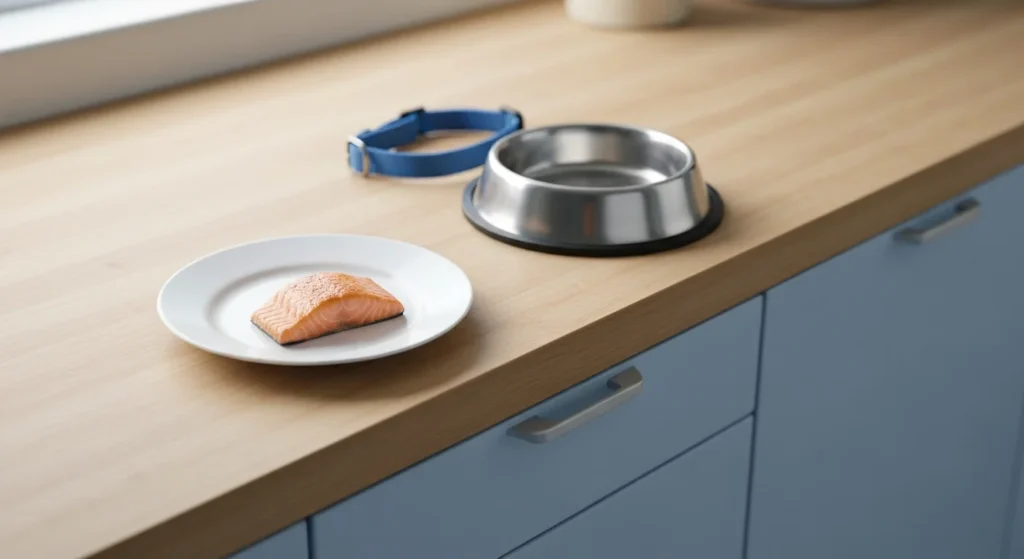
Dogs eat salmon. If your dog has eaten salmon, you’re likely wondering about its safety. This guide provides evidence-based information on whether dogs can eat salmon, focusing on safe preparation, appropriate portion sizes, and potential risks. We cover cooking methods, the dangers of raw salmon, and what to watch for. This is not a substitute for veterinary advice, and you should always consult your veterinarian for personalized guidance regarding your dog’s diet. Understanding the nuances of feeding fish, especially salmon, is crucial for canine health. While generally considered safe and beneficial when cooked properly, raw salmon carries significant risks. This article aims to clarify these points, empowering you with knowledge to make informed decisions about including salmon in your dog’s diet. Our goal is to provide clear, actionable insights derived from veterinary professionals and authoritative organizations. We differentiate between potential benefits and serious hazards associated with salmon consumption for dogs, ensuring you have a reliable resource.
Can Dogs Eat Salmon? A Quick Look
Quick version: Yes, dogs can eat salmon, but only when it is thoroughly cooked to eliminate parasites and bacteria. Raw or undercooked salmon poses serious health risks, including poisoning from the parasite Nanophyetus salmincola and thiaminase activity, which can lead to thiamine deficiency. Cooked salmon should be plain, without bones, skin, or seasonings. Small, occasional portions are generally safe for most dogs, but always introduce new foods slowly and monitor for any adverse reactions. Consult your veterinarian before making significant dietary changes. Knowing the facts about dogs eat salmon is key to safe feeding.
Why the Debate on Dogs Eating Salmon Matters
The question of whether dogs can eat salmon is more than just a dietary curiosity; it directly impacts their health and well-being. Salmon is a popular food for humans, rich in omega-3 fatty acids beneficial for skin, coat, and joint health. However, for our canine companions, the preparation and origin of the fish are critical. Feeding improperly handled salmon can lead to severe, even life-threatening conditions. For instance, the ASPCA Animal Poison Control Center (APCC) frequently addresses inquiries about food safety, and fish, particularly raw or undercooked varieties, are a common concern due to the potential for parasitic infections and bacterial contamination. For more on this topic, see our meat protein safety.
Understanding the risks associated with raw salmon, such as salmon poisoning disease (SPD), is critical. This disease, caused by the parasite Nanophyetus salmincola, can manifest with severe symptoms like vomiting, diarrhea, fever, and lethargy, and can be fatal if left untreated. The American Veterinary Medical Association (AVMA) highlights the importance of veterinary guidance on novel food introductions, underscoring that while salmon can offer nutritional benefits, the potential for harm from improper preparation necessitates caution. This knowledge empowers owners to provide safe and nutritious additions to their dog’s diet, rather than inadvertently exposing them to danger.
Salmon Consumption: When to Wait and Watch vs. Call Your Vet
If your dog has consumed salmon, especially if it was raw, undercooked, or contained potential contaminants, understanding the signs of trouble is crucial for timely intervention. The severity of the reaction depends on the amount consumed, the dog’s individual sensitivity, and the specific contaminant present.
Wait and watch: Related: our dog bone safety.
- Mild, temporary digestive upset: A single instance of vomiting or soft stool that resolves within a few hours without other symptoms.
- Slight lethargy: Your dog may seem a little less energetic than usual for a short period, but is otherwise responsive and normal.
- Increased thirst: A minor increase in water intake that returns to normal within a few hours.
- Occasional gas: Increased flatulence that is not accompanied by abdominal pain or distress.
Call your vet now:
- Vomiting or diarrhea lasting longer than 24 hours, or containing blood.
- High fever (above 103.5°F or 39.7°C) or a significant drop in body temperature.
- Severe lethargy or weakness, inability to stand, or collapse.
- Neurological signs such as tremors, seizures, disorientation, or unsteady gait.
- Signs of dehydration: sunken eyes, dry gums, or skin that doesn’t snap back when gently pinched.
- Jaundice (yellowing of the skin, gums, or whites of the eyes).
- If your dog consumed raw salmon from a region known for Nanophyetus salmincola and shows any signs of illness within 5-7 days.
The Merck Veterinary Manual notes that symptoms of salmon poisoning disease can appear within 5 to 7 days after ingestion of infected fish, noting the importance of monitoring for any changes in your dog’s behavior or physical condition following potential exposure.
Safely Preparing and Feeding Salmon to Your Dog
- Source Your Salmon Wisely: Begin by selecting high-quality salmon from a reputable source. If possible, choose salmon that has been flash-frozen, as this process can kill parasites. Avoid wild-caught salmon unless you are certain of its origin and handling practices, as it carries a higher risk of carrying the parasite Nanophyetus salmincola. Always check for recalls or advisories from the FDA-CVM regarding fish products.
- Cook Thoroughly: This is the most critical step. Salmon must be cooked to an internal temperature of at least 145°F (63°C) to kill parasites and bacteria like Salmonella and Listeria. Baking, steaming, or grilling are preferred methods. Avoid frying, as the added oils and seasonings can be harmful. Ensure the fish is cooked through, with no pink or raw portions remaining.
- Debone and Skin Carefully: Remove all bones and skin before serving. Fish bones can splinter and cause choking or internal injuries, while the skin can be difficult to digest and may be fatty. The goal is to serve only the cooked, plain flesh of the salmon.
- Portion Appropriately: Salmon should be an occasional treat, not a staple in your dog’s diet, unless specifically recommended by a veterinarian as part of a therapeutic diet. A general guideline is that treats should not exceed 10% of your dog’s daily caloric intake. For a medium-sized dog, this might be a few ounces of cooked salmon per week, divided into small servings. Consult the American Kennel Club (AKC) for general advice on feeding fish.
- Introduce Slowly: If your dog has never eaten salmon before, offer a very small amount (e.g., a teaspoon) and monitor for any adverse reactions like vomiting or diarrhea for the next 24-48 hours. If no issues arise, you can gradually increase the portion size over subsequent feedings.
- Serve Plain: Do not add any seasonings, spices, garlic, onion, butter, or oils to the salmon. These ingredients can be toxic or harmful to dogs. The salmon should be served as plain, cooked fish flesh only.
Debunking Common Myths About Dogs and Salmon
Myth: All salmon is safe for dogs, including raw salmon.
Reality: Raw salmon, especially from certain regions, can harbor the parasite Nanophyetus salmincola, which causes salmon poisoning disease (SPD). This condition can be severe and even fatal if left untreated. Thorough cooking to at least 145°F (63°C) is essential to neutralize this parasite and any harmful bacteria like Salmonella.
Myth: Salmon skin is a healthy treat for dogs.
Reality: While salmon skin itself isn’t inherently toxic, it can be difficult for dogs to digest, especially if it’s fatty or has been prepared with oils or seasonings. It also poses a choking hazard if not cut into very small pieces. It’s best to remove the skin before feeding salmon to your dog.
Myth: Salmon oil supplements are a perfect substitute for feeding salmon.
Reality: Salmon oil supplements are a good source of omega-3 fatty acids and can be beneficial. However, they do not provide the same complete nutritional profile as whole fish. Feeding cooked salmon offers additional proteins and nutrients. Furthermore, not all fish oil supplements are created equal; quality varies, and some may be rancid or contain contaminants. Always choose reputable brands and consult your vet.
Myth: My dog loves raw fish, so it must be good for him.
Reality: A dog’s preference for a food does not equate to its safety or nutritional appropriateness. Many dogs enjoy things that are harmful to them, such as chocolate or toxic plants. While ancestral canids consumed raw prey, modern domesticated dogs have different digestive systems and face different environmental contaminants. The risks associated with raw salmon, particularly parasites and bacteria, outweigh any perceived benefit from a dog’s enjoyment.
Observing Your Dog After Eating Salmon
After introducing salmon or if your dog has consumed it, pay close attention to their behavior and physical signs. This observation period is crucial for detecting any adverse reactions or signs of illness. Keep a log if necessary, noting the following:
- Digestive Upset Frequency: Note the number of times vomiting or diarrhea occurs within a 24-hour period. A single episode might be benign, but multiple occurrences warrant attention.
- Stool Consistency and Appearance: Observe the texture (e.g., watery, mushy) and color (e.g., normal brown, black, bloody).
- Appetite Levels: Has your dog’s interest in food changed? A significant decrease or complete loss of appetite is a red flag.
- Energy Levels: Monitor for unusual lethargy, weakness, or reluctance to play or move.
- Hydration Status: Check gum moisture and skin elasticity (tenting). Signs of dehydration require prompt veterinary care.
- Behavioral Changes: Look for restlessness, discomfort, whimpering, or unusual aggression, which could indicate abdominal pain.
- Skin and Coat Condition: While omega-3s are beneficial long-term, watch for any sudden onset of itching or skin irritation, which could signal an allergy.
- Temperature (if possible): If you suspect illness, taking your dog’s rectal temperature can provide valuable information for your vet (normal is 100-102.5°F or 37.8-39.2°C).
Frequently Asked Questions About Dogs Eating Salmon
Can dogs eat salmon bones?
No, dogs should not eat salmon bones. Like other fish bones, they are brittle and can splinter easily. These splinters can cause choking, cuts in the mouth or throat, or serious internal damage to the digestive tract. Always remove all bones before feeding salmon to your dog.
Is canned salmon safe for dogs?
Canned salmon can be safe for dogs if it is plain, packed in water (not oil or broth), and has had bones and skin removed. However, the sodium content can be high in some canned varieties, so it should be given in moderation. It’s crucial to check the ingredients list for any added seasonings or preservatives that might be harmful.
How much cooked salmon can I give my dog?
Salmon should be considered a treat, not a main dietary component, unless prescribed by a veterinarian. As a general rule, treats should not exceed 10% of your dog’s daily caloric intake. A few ounces of cooked, plain salmon per week, divided into small portions, is typically appropriate for a medium-sized dog. Always introduce new foods gradually and monitor for reactions.
What are the signs of salmon poisoning disease in dogs?
Signs of salmon poisoning disease (SPD), caused by the parasite Nanophyetus salmincola, often appear 5-7 days after ingestion of infected raw fish. Symptoms include fever, lethargy, vomiting, diarrhea (sometimes bloody), enlarged lymph nodes, decreased appetite, and weight loss. If left untreated, SPD can be fatal. Prompt veterinary care is essential.
Can dogs eat smoked salmon?
Smoked salmon is generally not recommended for dogs. The smoking process often involves high salt content, which can be harmful to dogs and lead to salt poisoning. Additionally, smoked salmon may not be cooked to a temperature high enough to kill all parasites, and it can contain preservatives or seasonings that are toxic to canines.
Are there any specific breeds that shouldn’t eat salmon?
There are no specific breeds that inherently cannot eat salmon. However, dogs with known allergies or sensitivities to fish should avoid it. Dogs with existing kidney or liver issues might also require careful dietary management, and any inclusion of new foods like salmon should be discussed with your veterinarian. Always consider your individual dog’s health status.
Responsible Salmon Feeding for Your Dog
While salmon can offer nutritional advantages for dogs when prepared correctly, the risks associated with raw or improperly cooked fish cannot be overstated. Prioritizing thorough cooking, deboning, and serving plain portions is essential for your dog’s safety. Remember that any new food should be introduced cautiously, and your dog’s individual health status should always guide dietary decisions. If you have concerns about feeding salmon or notice any adverse reactions, consult your veterinarian promptly. They can provide tailored advice to ensure your dog’s diet is both safe and beneficial. Understanding the risks and benefits when dogs eat salmon empowers responsible ownership.
- Vomiting or diarrhea lasting >24 hours or containing blood
- High fever (>103.5°F) or significant lethargy
- Signs of dehydration (dry gums, poor skin turgor)
- Neurological signs (tremors, seizures, disorientation)
- Jaundice (yellowing of skin/gums)