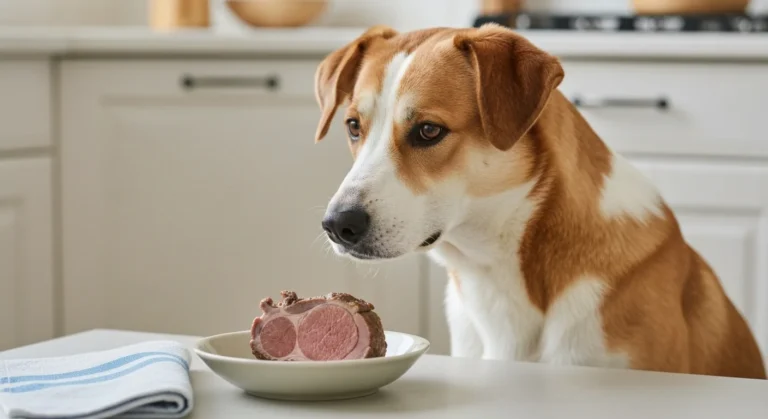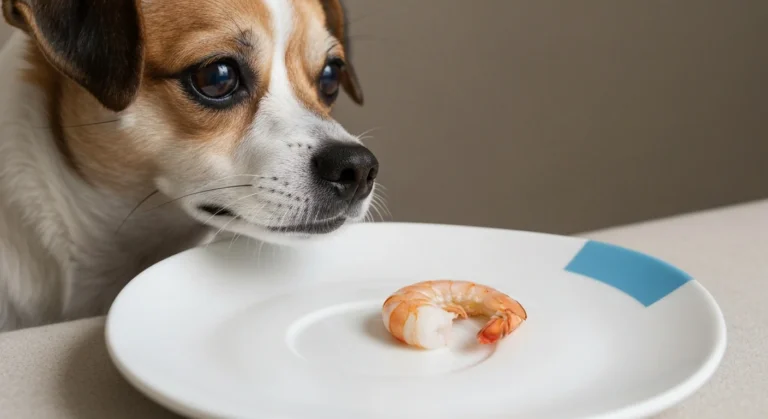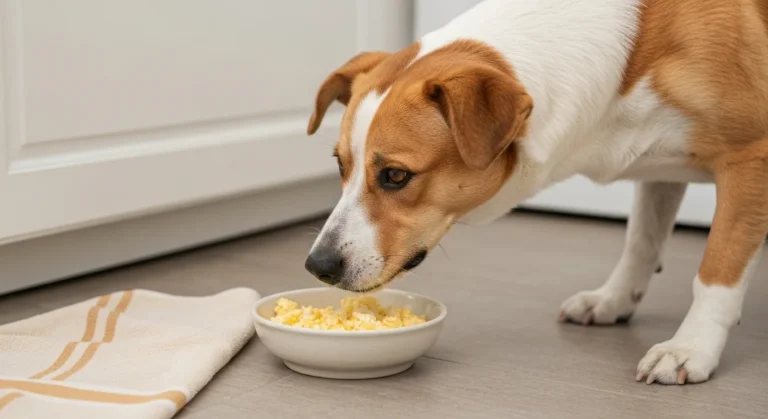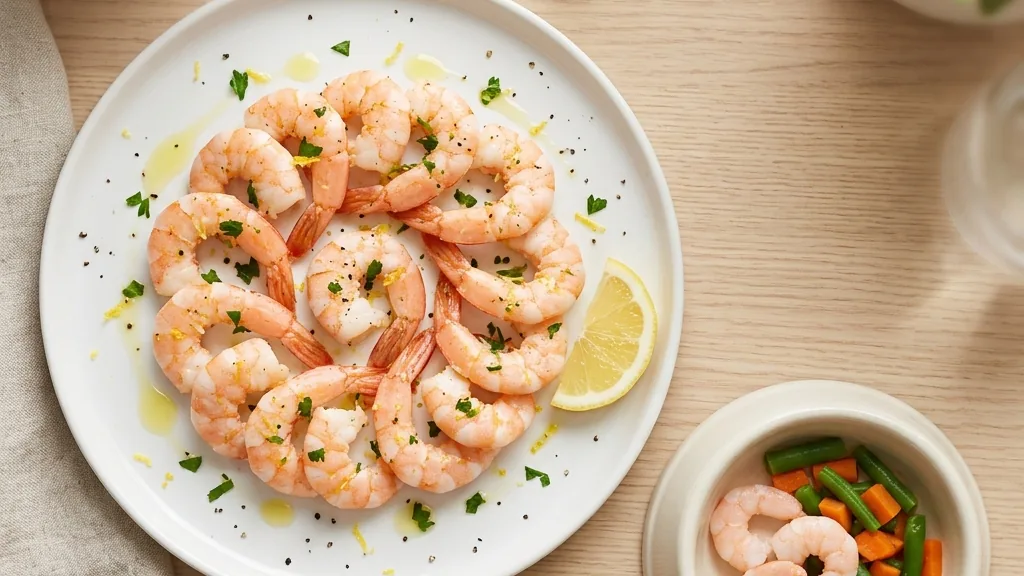
Can dogs have shrimp? Yes, in moderation. Plain, fully cooked, peeled and deveined, it is a safe occasional treat for most dogs, and it is a lean source of protein and nutrients. The danger is almost never the treat itself; it is the shell and tail, the seasoning and butter, raw preparation, and oversized portions. This guide covers exactly how to serve it safely, how much to give based on your dog’s size, and when shrimp becomes a problem.
If your dog has eaten raw or heavily seasoned shrimp and is showing signs of illness, call your veterinarian or the ASPCA Animal Poison Control Center at 888-426-4435.
The Short Answer: Plain Cooked Shrimp Is Fine in Small Amounts
The American Kennel Club confirms that plainly cooked shellfish can be a healthy occasional treat for dogs as long as it is prepared correctly. “Prepared correctly” is doing a lot of work in that sentence, so the rest of this article spells out what it means: fully cooked, completely plain, and fully peeled and deveined, served in a sensible portion.
Shrimp is also genuinely good food. It is low in fat and carbohydrates while delivering lean protein, vitamin B12, niacin, phosphorus, iodine, and antioxidants such as astaxanthin, plus a small amount of omega-3 fatty acids. None of that makes shrimp a necessary part of your dog’s diet, but it does make a properly served piece a wholesome treat rather than empty calories.
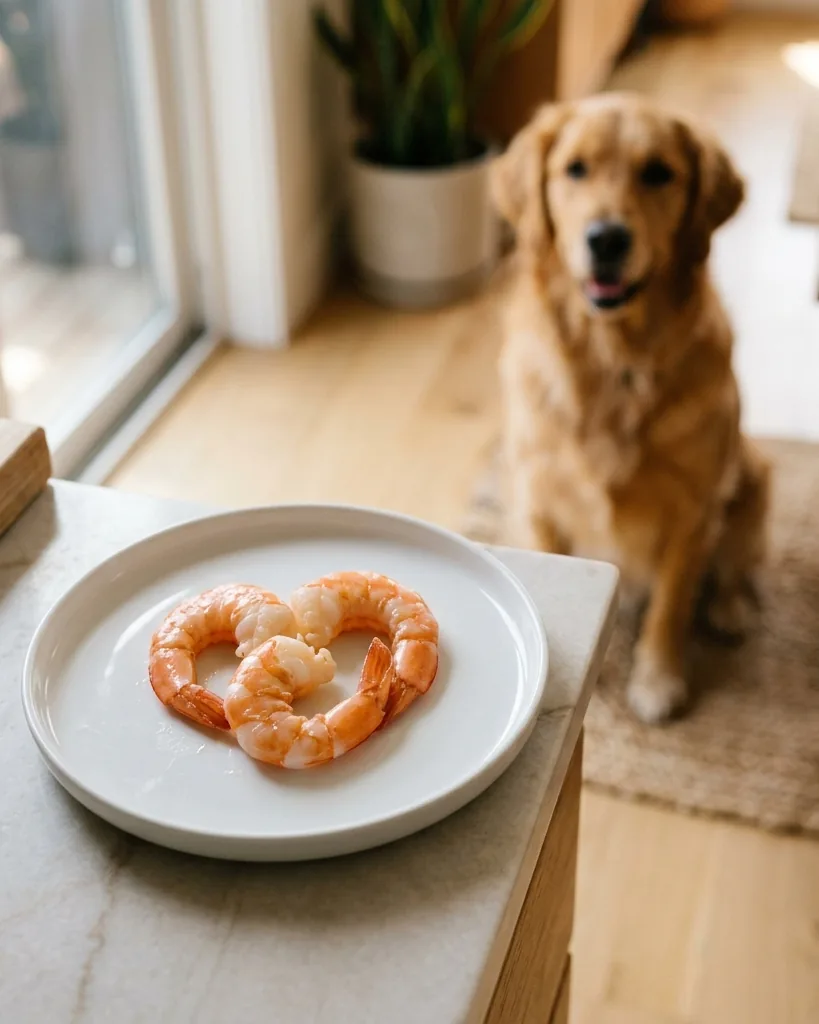
How to Prepare Shrimp Safely for Dogs
Four rules turn a risky table scrap into a safe treat. Follow all of them.
1. Cook it fully
Shrimp should be steamed, boiled, or baked until the flesh is opaque white with pink edges. Steaming is the best method because it adds nothing of its own. Never feed it raw or undercooked (more on why below).
2. Keep it completely plain
No butter, oil, salt, garlic, onion, Cajun or Old Bay seasoning, cocktail sauce, lemon, breading, or batter. Garlic and onion are toxic to dogs, salt and fat upset their stomachs, and fried or buttered, it can trigger pancreatitis. Plain means plain.
3. Peel and devein it
Remove the shell, tail, legs, and head, and pull out the dark vein along the back, which is the digestive tract. Shells and tails are sharp, hard to digest, and a real choking and intestinal-blockage hazard, especially for small dogs.
4. Cut it to size
For a small dog, cut the cooked shrimp into bite-size pieces so there is no risk of it being swallowed whole. For a large dog, a whole peeled piece is usually fine.
Why Raw Shrimp Is Dangerous for Dogs
Raw and undercooked shellfish can carry harmful pathogens, including Salmonella, Listeria, and Vibrio bacteria (which cause an infection called vibriosis), as well as parasites. Dogs can get food poisoning from these organisms just like people can, with symptoms such as vomiting, diarrhea, fever, and lethargy. Cooking shrimp thoroughly kills these pathogens, which is the single biggest reason the raw option is off the table. Raw shrimp also still has the shell and vein, compounding the risk.
Shellfish Allergies in Dogs
Dogs can be allergic to shellfish, just as some people are. The first time you offer shrimp, give only one small piece and then watch your dog for 24 to 48 hours. Signs of a food allergy or sensitivity include itchy skin, hives, recurrent ear infections, and digestive upset. Severe allergic reactions are rare but possible; if your dog develops facial swelling, hives, or trouble breathing, treat it as an emergency and contact your veterinarian right away. If your dog has a history of food allergies, ask your vet before introducing it at all.
How Much Shrimp Can a Dog Have?
Shrimp is a treat, and treats should follow the veterinary “10% rule”: treats of all kinds should make up no more than 10% of your dog’s daily calories, with the other 90% coming from a complete, balanced dog food. Within that budget, shrimp portions should stay small because it is relatively high in cholesterol and naturally contains some sodium, neither of which a dog needs in quantity.
| Dog size | Safe occasional portion | How often |
|---|---|---|
| Toy / small (under 20 lb) | Half to 1 small cooked shrimp, cut up | Occasionally, not daily |
| Medium (20-50 lb) | 1 to 2 cooked shrimp | Occasionally |
| Large (over 50 lb) | 2 to 3 cooked shrimp | Occasionally |
For reference, one medium cooked shrimp contains roughly 7 kcal, so a few pieces fit easily inside most dogs’ treat allowance. When in doubt, give less. A taste of it is a treat, not a meal, and it should never replace your dog’s regular balanced food.
When You Should Skip It Altogether
Shrimp is not the right treat for every dog. Talk to your veterinarian before offering it if your dog:
- Has a known food allergy or a sensitive stomach
- Has pancreatitis, a history of pancreatitis, or needs a low-fat diet
- Has kidney disease or is on a sodium-restricted diet
- Is a young puppy whose diet is still being carefully managed
And for every dog, skip the shrimp that comes fried, breaded, in scampi, in cocktail sauce, or seasoned. Restaurant and takeout shrimp is almost always cooked with butter, oil, garlic, or salt, which makes it a poor and sometimes dangerous choice.
What to Do If Your Dog Ate Raw or Seasoned Shrimp
A single bite of plain, slightly undercooked shrimp will usually pass without trouble, but stay alert. Here is how to respond:
- Raw or undercooked shrimp: Watch closely for 24 to 48 hours for vomiting, diarrhea, fever, or lethargy. Call your vet if any of these appear or worsen.
- Garlic- or onion-seasoned shrimp: These ingredients are toxic to dogs. Call your veterinarian or the ASPCA Animal Poison Control Center at 888-426-4435, especially if a larger amount was eaten.
- Shrimp with the shell or tail on: Watch for choking, gagging, drooling, vomiting, or signs of an intestinal blockage such as a hard belly, repeated vomiting, or no appetite, and call your vet if you see them.
- A large fatty or fried portion: Watch for signs of pancreatitis (vomiting, belly pain, lethargy) and contact your vet.
The American Veterinary Medical Association (AVMA) keeps a useful overview of common household and food hazards for pets, and your own veterinarian or the ASPCA Animal Poison Control Center can advise you on any specific exposure.
Warning Signs to Watch for After Feeding Shrimp
Even when you do everything right, it pays to keep an eye on your dog the first few times shrimp is on the menu. Most dogs are completely fine, but the digestive and allergic reactions that can occur tend to show up within a day or two. Watch for any of the following and contact your veterinarian if they appear or persist:
- Digestive upset: vomiting, diarrhea, gas, or a loss of appetite suggests the portion was too rich or your dog is sensitive to shellfish.
- Itching and skin signs: scratching, licking, red skin, hives, or recurrent ear trouble can point to a shellfish allergy that may worsen with repeat exposure.
- Choking or gagging: coughing, retching, pawing at the mouth, or heavy drooling right after eating can mean a piece, shell, or tail is lodged.
- Lethargy or fever: unusual tiredness, weakness, or warmth after raw or undercooked it can signal a bacterial infection.
- Belly pain: a hunched posture, a tense abdomen, or repeated vomiting after a fatty, fried portion can indicate pancreatitis and warrants a prompt call to the vet.
Keeping the first serving small makes any of these reactions milder and easier to manage, which is the whole point of the one-piece introduction. Once you know your dog tolerates plain cooked seafood well, you can offer it occasionally with confidence.
Safer Seafood and Treat Alternatives
If your dog loves seafood, plain cooked seafood has good company. Other dog-safe options, all served plain and fully cooked with bones removed, include certain fish like salmon. You can read more in our guides to whether dogs can eat salmon and dogs can eat tuna. As with shrimp, the rules are the same: cooked, plain, boneless, and in small amounts.
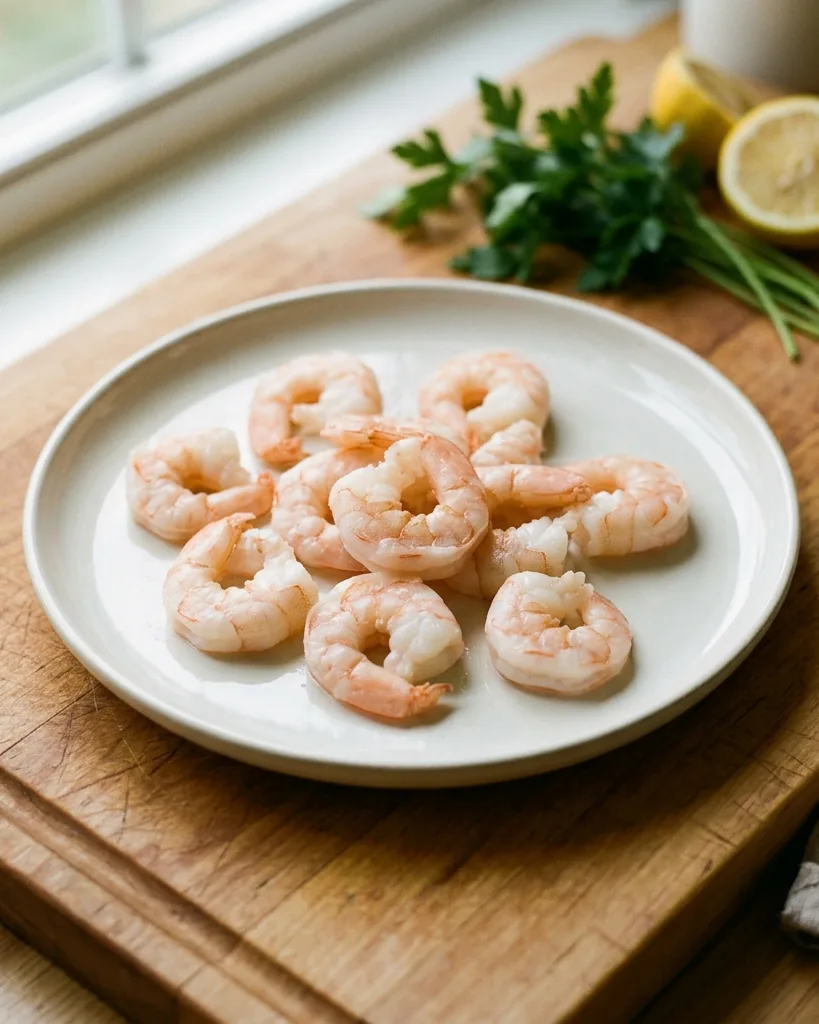
How to Cook Shrimp for Your Dog, Step by Step
You do not need a recipe so much as a routine. The goal is shrimp that is fully cooked and stripped of everything that could harm your dog. Here is the simplest safe method.
- Start with fresh or properly thawed shrimp. If you are using frozen shrimp, thaw it in the refrigerator, not on the counter, to keep bacteria from multiplying.
- Peel and devein before or after cooking. Remove the shell, legs, tail, and head. Run a knife shallowly along the back to lift out the dark vein. Many people find this easier on raw shrimp, but you can also do it once it is cooked and cooled.
- Steam or boil in plain water. Add nothing – no salt, no oil, no garlic, no broth. Steam for a few minutes or simmer in plain water until the shrimp turns opaque white with pink edges and the flesh has curled into a loose C shape. An overcooked, tightly curled O shape is rubbery but not dangerous.
- Cool it completely. Let the shrimp come down to room temperature so it does not burn your dog’s mouth.
- Cut to size and serve a small amount. Chop into bite-size pieces for small dogs, and offer only the portion that fits your dog’s treat allowance.
Store any extra plain cooked shrimp in the refrigerator and use it within a couple of days, the same way you would handle cooked seafood for yourself.
What About Crab, Lobster, and Other Shellfish?
Shrimp is not the only shellfish dogs ask for at the table, and the same logic applies across the board. Plainly cooked, shell-free, unseasoned crab and lobster meat are generally safe in tiny amounts, but they tend to be higher in sodium, and the shells are even more hazardous than shrimp shells. Prawns are essentially large shrimp and follow the same rules. As always, the danger comes from shells, seasoning, butter, and large portions rather than the meat itself. When you are unsure about a specific shellfish, the safest move is to skip it and stick with the plain cooked shrimp you know how to prepare.
Shrimp for Puppies and Senior Dogs
Puppies have developing digestive systems and carefully balanced growth diets, so treats of any kind should be minimal and introduced slowly. A tiny piece of plain cooked shrimp is unlikely to hurt a healthy puppy, but check with your veterinarian first and watch closely for any digestive upset.
Senior dogs can enjoy shrimp too, but they are more likely to have underlying conditions such as kidney disease, pancreatitis, or heart issues that make the cholesterol and sodium in shrimp a concern. If your older dog is on a special diet or takes medication, clear shrimp with your vet before offering it.
Common Mistakes Owners Make With Shrimp
Most shrimp problems come from a handful of avoidable errors. Knowing them ahead of time keeps a treat from turning into a vet visit.
- Sharing shrimp straight off your plate. Your shrimp is almost certainly cooked with butter, oil, garlic, or salt. What is fine for you can be toxic or upsetting for your dog. Cook a separate plain piece instead.
- Leaving the tail on. The tail looks small and harmless, but it is sharp and indigestible. It is one of the most common causes of it-related choking and stomach upset.
- Feeding too much because the dog loves it. Enthusiasm is not a portion guide. Shrimp is rich, and a pile of it can cause diarrhea or, over time, contribute to weight gain.
- Giving raw shrimp because it seems more natural. Raw is not safer. Cooking is what removes the bacterial risk, so cooked always wins.
- Skipping the first-time test. Introducing a new protein in a large amount means that if your dog reacts badly, the reaction is bigger too. Start with one small piece.
How Shrimp Fits Into a Balanced Diet
It helps to put the 10% treat rule into real numbers. A complete, balanced commercial dog food is formulated to meet all of your dog’s nutritional needs, and treats sit on top of that as extras. If your dog eats around 400 calories a day, that leaves roughly 40 calories of room for treats, which at about 7 kcal per shrimp is only a handful of pieces – and that allowance also has to cover biscuits, chews, and training rewards. Seen that way, shrimp is best thought of as a special once-in-a-while reward rather than a regular addition. Rotating it with other healthy treats, and counting it against the daily total rather than on top of it, keeps your dog lean and the treat genuinely special.
The Nutrition Behind the Treat
Part of what makes plain shrimp a reasonable treat is its nutrient profile. A few cooked shrimp deliver high-quality protein with very little fat and almost no carbohydrate. Shrimp is a natural source of vitamin B12, which supports nerve function and the formation of red blood cells, along with niacin, phosphorus, and iodine. It also contains astaxanthin, the antioxidant pigment that gives cooked shrimp its pink color, and a modest amount of omega-3 fatty acids that support skin and coat health. The catch is portion size: those same few shrimp also carry cholesterol and sodium, which is exactly why shrimp belongs in the occasional-treat category and not in the daily bowl.
Frequently Asked Questions
Can dogs eat shrimp tails or shells?
No. Shrimp tails, shells, legs, and heads are sharp and hard to digest, and they are a choking and intestinal-blockage hazard, particularly for small dogs. Always peel and devein shrimp and remove the tail before giving any to your dog.
Can dogs eat raw shrimp?
No. Raw and undercooked shrimp can carry Salmonella, Listeria, Vibrio, and parasites that cause food poisoning, with vomiting, diarrhea, fever, and lethargy. Always cook shrimp fully until it is opaque before sharing it.
How much shrimp can my dog eat?
Keep it small and occasional. Treats should be no more than 10% of your dog’s daily calories. A small dog can have half to one small cooked shrimp, a medium dog one to two, and a large dog two to three, served plain and only now and then.
Is shrimp good for dogs?
In small amounts, yes. Shrimp is a lean protein that provides vitamin B12, niacin, phosphorus, iodine, antioxidants, and some omega-3 fatty acids, while being low in fat and carbohydrates. It is a wholesome occasional treat, not a dietary necessity.
My dog ate fried or garlic shrimp. What should I do?
Garlic and onion are toxic to dogs, and fried, buttery shrimp is high in fat that can trigger an upset stomach or pancreatitis. Watch for vomiting, diarrhea, belly pain, or lethargy and call your veterinarian or the ASPCA Animal Poison Control Center at 888-426-4435, especially if a large amount was eaten.
Can puppies have shrimp?
A tiny piece of plain, fully cooked, peeled and deveined shrimp is unlikely to harm a healthy puppy, but puppies have sensitive, developing digestive systems and carefully balanced growth diets. Check with your veterinarian first, keep the amount very small, and watch for any digestive upset over the next day or two.
How often can I give my dog shrimp?
Treat shrimp as an occasional reward, not a daily food. Even within the 10% treat allowance, shrimp’s cholesterol and sodium make it better suited to once-in-a-while sharing. A few times a month, in a small portion, is a reasonable ceiling for most healthy dogs.
Is shrimp better cooked or raw for dogs?
Always cooked. Cooking shrimp until it is opaque kills the Salmonella, Listeria, Vibrio, and parasites that raw shellfish can carry. Raw shrimp offers no benefit over cooked shrimp and adds real risk, so there is never a good reason to feed it raw.
This article is for general educational purposes and is not a substitute for professional veterinary care. Talk to your veterinarian about your dog’s individual needs before adding any new food.